Welcome to the Sadaat Family of Kashmir
Honoring our sacred roots, preserving our noble heritage, and connecting generations with love, knowledge, and faith.
Daily Namaz Timings
Our Noble Lineage
We warmly welcome you to our website. We belong to the noble family descended from Imam Ali al-Ridha (A.S.), the eighth Imam from the blessed lineage of the Prophet Muhammad ﷺ.
According to the esteemed genealogists, Imam Ali al-Ridha (A.S.) was blessed with several sons. It is unanimously agreed that his lineage continues through Imam Muhammad al-Taqi (A.S.), and from him through Imam Ali al-Naqi (A.S.) and Imamzāda Musa al-Mubarraq (A.S.).
Imamzāda Musa al-Mubarraq (A.S.) was born in Medina. He migrated to Kufa and later moved to Qom, where he eventually settled. He passed away on 22 Rabiʿ al-Thani 296 AH / January 18, 909 CE in Qom.
He was a renowned scholar of Hadith and Diraya, and his narrations have been recorded by great scholars such as Shaykh al-Tusi, Shaykh al-Mufid, and Ibn Shu’ba al-Harrani.
From this sacred lineage emerged the Razavi Mashhadi Sayyids, among whom Syed Shams al-Din Amjid Razvi migrated from Qom to Mashhad and became custodian of the holy shrine.
The Razavi Sayyids reached honor during the Safavid era, serving as religious administrators and custodians of the shrines of Imam al-Ridha (A.S.) and Hazrat Abdul Azim (R.A.).
From this noble line came Syed Ahmad, who migrated from Bukhara to Deccan Hyderabad. Because of this migration, his descendants adopted the title “Bukhari Razvi.”
Later, Syed Yusuf Khan Razvi migrated to Kashmir, where he was honored with the title “Khan.”
His descendant, Syed Ali al-Uddin Khan Razvi, and his family continue to live across various regions, contributing to society through Islam, service, and knowledge.
Our Purpose & Message
The Syed Family website is dedicated to preserving our lineage and heritage. We do not claim superiority over anyone. All humans are equal in the eyes of Allah, and the only measure of distinction is taqwa.
“Indeed, the most noble of you in the sight of Allah is the most righteous of you.” (Qur’an 49:13)
Our aim is to honor our roots, share knowledge, and foster unity and understanding.
We Are Working Under the Guidance Of
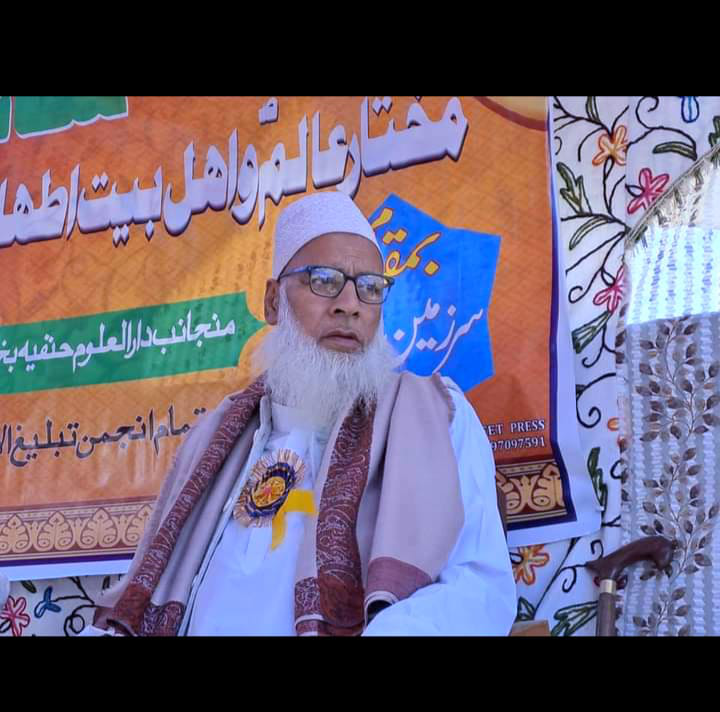
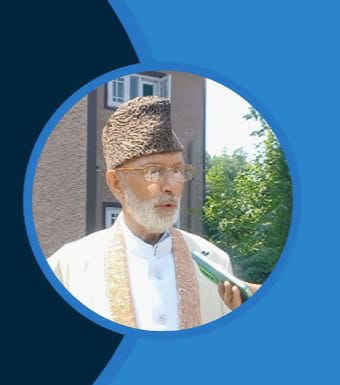
Our efforts are guided by the teachings of Islam and the wisdom of our esteemed elders and scholars.
Five Pillars Of Islam
The Five Pillars of Islam form the foundation of a Muslim’s faith, worship, and obedience to Allah ﷻ.
- Shahadah: Declaring that there is no deity worthy of worship except Allah, and Muhammad ﷺ is His Messenger.
- Salah: Performing the five daily prayers.
- Zakah: Giving charity to purify wealth and support the needy.
- Sawm: Fasting in Ramadan to attain taqwa and discipline.
- Hajj: Pilgrimage to Makkah for those who are able.
Sadaat of Kashmir
The Sadaat of Kashmir are noble descendants of the Prophet Muhammad ﷺ, who migrated to the valley centuries ago. Their arrival enriched the region’s religious and cultural fabric through knowledge, piety, and service.
Biography of Syed Ali Alaudin Bukhari (RA)
Syed Ali Allauddin Khansahib Bukhari (رحمه الله), commonly known as Khan Seab, was a renowned Islamic scholar and Sufi saint from Chewdara, Beerwah, Kashmir. His shrine remains a revered place of spiritual remembrance.
Holy Shrines of Our Lineage
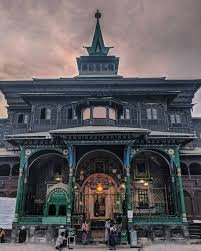
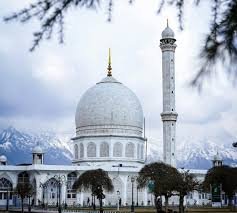
The holy shrines of our revered elders and saints stand as timeless symbols of faith, sacrifice, and spiritual guidance.
➜ Click to explore Holy Shrines