Holy Shrines of Kashmir
Read About These Shrines
Each shrine is displayed with its image, location and complete description in a spacious reading layout for laptop and mobile screens.

حضرت سید میر میرک اندرابی رحمۃ اللہ علیہ
سندُ العارفین حضرت شیخ سید میر میرک اندرابی رحمۃ اللہ علیہ
حیاتِ طیبہ، علمی و روحانی خدمات اور ساداتِ اندرابیہ کا تاریخی پس منظر
تحریر: سید فہیم بخاری
6006519595
بسم اللہ الرحمن الرحیم
الحمد للہ رب العالمین، والصلوٰۃ والسلام علی سید المرسلین، سیدنا محمد مصطفیٰ ﷺ، وعلیٰ آلہ وأصحابہ أجمعین، ومن تبعہم بإحسانٍ إلى یوم الدین۔
وادیٔ کشمیر کو اللہ تعالیٰ نے ہمیشہ ایسے اولیائے کرام، علماءِ ربانیین اور صوفیائے عظام سے نوازا جنہوں نے یہاں ایمان، علم، محبت، اخوت اور روحانیت کے چراغ روشن کیے۔ انہی مقدس اور تابندہ ہستیوں میں سندُ العارفین حضرت شیخ سید میر میرک اندرابی رحمۃ اللہ علیہ کا نام نہایت عظمت و احترام کے ساتھ لیا جاتا ہے۔
آپ نہ صرف ایک عظیم ولیٔ کامل، صاحبِ کرامت، عارف باللہ اور مصلحِ امت تھے بلکہ ایک جید عالم، مفسر، محدث، فقیہ اور داعیٔ اسلام بھی تھے۔ آپ کی پوری زندگی قرآن و سنت کی تعلیم، اصلاحِ معاشرہ، خدمتِ خلق، تزکیۂ نفس اور دعوتِ دین سے عبارت تھی۔ آپ نے اپنے علم، اخلاص، تقویٰ اور حسنِ کردار کے ذریعے کشمیر کی دینی و روحانی تاریخ پر ایسے انمٹ نقوش ثبت کیے جو آج بھی اہلِ علم و معرفت کے لیے مشعلِ راہ ہیں۔
ساداتِ اندرابیہ کا تاریخی پس منظر:-
حضرت سید میر میرک اندرابی رحمۃ اللہ علیہ کا تعلق ساداتِ حسینیہ سے تھا اور آپ کا شجرۂ نسب حضرت امام موسیٰ کاظم علیہ السلام کے واسطے سے حضرت امام حسین علیہ السلام تک پہنچتا ہے۔ آپ کے آباء و اجداد حجازِ مقدس سے ہجرت کر کے افغانستان کے تاریخی علاقے اندراب میں آباد ہوئے، جس کی نسبت سے یہ عظیم خاندان "اندرابی" کہلایا۔
روایات کے مطابق حضرت سید احمد اندرابی رحمۃ اللہ علیہ، حضرت امیرِ کبیر میر سید علی ہمدانی رحمۃ اللہ علیہ کے مبارک قافلے کے ساتھ کشمیر تشریف لائے۔ اگرچہ حضرت امیر کبیر بعد ازاں واپس تشریف لے گئے، لیکن ان کے ساتھ آنے والے متعدد سادات، علماء اور مشائخ نے کشمیر ہی کو اپنا مسکن بنایا اور دینِ اسلام کی اشاعت، تعلیم اور اصلاحِ امت میں اپنی زندگیاں وقف کر دیں۔ سلطان سکندر نے اس عظیم روحانی خاندان کی خدمات سے متاثر ہو کر سرینگر کے محلہ مالہ راٹہ (میرہ محلہ) میں ایک عظیم خانقاہ تعمیر کروائی، جو بعد میں خانقاہِ اندرابیہ کے نام سے پورے کشمیر میں علم و عرفان کا عظیم مرکز بن گئی۔
ولادت و نسب:-
حضرت سید میر میرک اندرابی رحمۃ اللہ علیہ کی ولادت 921ھ میں میرہ محلہ، مالہ راٹہ، سرینگر میں ہوئی۔ آپ کے والد گرامی "حضرت سید شمس الدین اندرابی رحمۃ اللہ علیہ" اپنے زمانے کے ممتاز عالم اور صوفی تھے، جبکہ والدہ ماجدہ حضرت سیدہ بی بی تھیں، جو حضرت سید فضل اللہ منطقی کی صاحبزادی تھیں۔ آپ کے نانا حضرت سید حسن منطقی رحمۃ اللہ علیہ تھے، جن کا مزار مبارک اونتی پورہ میں مرجعِ خلائق ہے۔
تعلیم و تربیت:-
والد گرامی کے وصال کے بعد آپ نے یتیمی کے عالم میں پرورش پائی، مگر اللہ تعالیٰ نے آپ کو غیر معمولی ذہانت اور روحانی ذوق عطا فرمایا۔ آپ نے قرآنِ مجید، حدیث، فقہ، تفسیر، عربی، فارسی، منطق، فلسفہ، ریاضی، طب اور علمِ فلکیات میں نمایاں مہارت حاصل کی۔ ابتداءً آپ کو اویسی نسبت حاصل ہوئی، بعد ازاں حضرت سید شاہ نعمت اللہ قادری حصاری رحمۃ اللہ علیہ کے دستِ حق پرست پر بیعت کی اور سلسلۂ قادریہ میں خلافت سے سرفراز ہوئے۔
فارسی میں ارشاد ہے:
تاکہ از خاصگانِ درگہ شد
> رہبرش شاہ نعمت اللہ شد
عبادت، زہد اور ریاضت
حضرت میر میرک اندرابی رحمۃ اللہ علیہ عبادت، تقویٰ اور مجاہدۂ نفس میں اپنی مثال آپ تھے۔ روایت ہے کہ آپ نے مسلسل چالیس برس تک دن میں روزہ اور رات کو قیام کا معمول اختیار فرمایا۔
> تا چہل سال بود او را بدوام
> روز اندر صیام و شب در قیام
آپ کی زندگی ذکرِ الٰہی، تلاوتِ قرآن، اتباعِ سنت، تہجد اور اخلاص کا حسین نمونہ تھی۔ آپ ہمیشہ فرماتے کہ شریعت کے بغیر طریقت کا کوئی تصور نہیں۔
خاندانی زندگی و نسل
حضرت میر میرک اندرابی رحمۃ اللہ علیہ نے حضرت سید عبداللہ قمی کی صاحبزادی سے نکاح فرمایا۔ اللہ تعالیٰ نے آپ کو تین صاحبزادے اور چھ صاحبزادیاں عطا فرمائیں۔ آپ کی اولاد آج سرینگر، مالہ راٹہ، راتنی پورہ، کریری، زاڈورہ، فتنہ پورہ، لولاب، کانٹھ پورہ، آری گام، ترال، سیدپورہ، ناگام، بارہمولہ، پونچھ، لاہور، وزیرآباد، سیالکوٹ، جہلم، امرتسر، بنگال اور کلکتہ سمیت متعدد علاقوں میں آباد ہے۔
علمی و روحانی خدمات:-
حضرت شیخ سید میر میرک اندرابی رحمۃ اللہ علیہ کی نسل میں ہر دور میں ایسے جلیل القدر علماء و صلحاء پیدا ہوئے جنہوں نے دینِ اسلام کی اشاعت اور تدریس میں گراں قدر خدمات انجام دیں۔ عصرِ حاضر میں اس خانوادے کے عظیم سپوت حضرت علامہ اشرف اندرابی رحمۃ اللہ علیہ کا نام خصوصی اہمیت رکھتا ہے، جو ایک جید عالمِ دین، مصلح، خطیب اور مربی تھے۔
وصالِ مبارک:-
حضرت سندُ العارفین سید میر میرک اندرابی رحمۃ اللہ علیہ نے ۵ صفر المظفر ۹۹۰ھ (1582ء) کو وصال فرمایا۔ آپ کا مزارِ اقدس سرینگر کے محلہ مالہ راٹہ میں خانقاہِ اندرابیہ کے جنوبی حصے میں مرجعِ خلائق ہے، جہاں ہر سال ۵ صفر المظفر کو عرسِ مبارک انتہائی عقیدت و احترام کے ساتھ منایا جاتا ہے۔
مزید معلومات کے لیے ملاحظہ فرمائیں
www.kashmirisadaat.com

امام زین العابدین علیہ السلام
امام زین العابدین علیہ السلام: صبر، عبادت، علم اور اخلاق کا روشن مینار
✍️ تحریر: سید مشکور احمد بخاری
بسم اللہ الرحمن الرحیم
الحمد لله رب العالمين، والصلاة والسلام على سيدنا محمد وعلى آله وأصحابه أجمعين، أما بعد:
اسلام کی تاریخ ایسی عظیم شخصیات سے مزین ہے جنہوں نے اپنے کردار، عبادت، علم اور اخلاق کے ذریعے رہتی دنیا تک انسانیت کی رہنمائی کی۔ انہی مقدس ہستیوں میں حضرت امام زین العابدین علی بن حسین علیہ السلام کا بلند مقام ہے۔ آپ نواسۂ رسولِ اکرم ﷺ، فرزندِ سید الشہداء حضرت امام حسین علیہ السلام اور اہلِ بیتِ نبوت کے وہ روشن چراغ ہیں جنہوں نے کربلا کے بعد صبر و استقامت، عبادت و بندگی اور علم و حکمت کے ذریعے اسلام کے حقیقی پیغام کو زندہ رکھا۔
تعارف اور القابِ مبارکہ
آپ کا اسمِ گرامی علی بن حسین بن علی بن ابی طالب ہے۔ آپ کی کنیت ابو محمد ہے، جبکہ آپ کے مشہور القاب زین العابدین (عبادت گزاروں کی زینت) اور السجاد (کثرت سے سجدہ کرنے والے) ہیں۔ آپ کی پوری زندگی اللہ تعالیٰ کی بندگی، تقویٰ، صبر، حلم اور حسنِ اخلاق کا عملی نمونہ تھی۔
ولادتِ باسعادت اور تربیت
اکثر مؤرخین کے مطابق آپ کی ولادت 5 شعبان 38 ہجری کو مدینہ منورہ میں ہوئی۔ آپ کی والدہ کے بارے میں مختلف تاریخی روایات ملتی ہیں، جن میں ایک مشہور روایت کے مطابق ان کا نام شہر بانو بیان کیا جاتا ہے۔
آپ نے نبوت، ولایت اور تقویٰ کے پاکیزہ ماحول میں پرورش پائی۔ حضرت امام حسین علیہ السلام کی تربیت اور اہلِ بیت کے علمی و روحانی فیضان نے آپ کی شخصیت کو علم، تقویٰ، حلم اور عبادت کا حسین پیکر بنا دیا۔
واقعۂ کربلا اور صبرِ جمیل
61 ہجری میں جب میدانِ کربلا میں حق و باطل کا عظیم معرکہ برپا ہوا تو امام زین العابدین علیہ السلام شدید علیل تھے، اس لیے جنگ میں شریک نہ ہو سکے۔ یہ اللہ تعالیٰ کی حکمت تھی تاکہ اہلِ بیت کی نسل اور امامت کا سلسلہ باقی رہے اور کربلا کا پیغام آئندہ نسلوں تک پہنچ سکے۔
سانحۂ کربلا کے بعد آپ نے قید و بند، مصائب اور ظلم و ستم کو انتہائی صبر و استقامت کے ساتھ برداشت کیا۔ کوفہ اور شام میں آپ کے تاریخی خطبات نے ظلم و جبر کے چہرے سے نقاب ہٹا دی اور امتِ مسلمہ کو اہلِ بیتِ اطہار کے عظیم مقام سے آگاہ کیا۔
آپ اپنے والدِ گرامی حضرت امام حسین علیہ السلام کی شہادت کا غم زندگی بھر محسوس کرتے رہے۔ جب بھی پانی یا کھانا سامنے آتا تو کربلا کی پیاس یاد آ جاتی اور آپ کی آنکھیں اشک بار ہو جاتیں۔ یہ غم محض جذباتی کیفیت نہیں بلکہ شہدائے کربلا کے عظیم مقصد کو زندہ رکھنے کا ایک خاموش پیغام تھا۔
عبادت و ریاضت کا بے مثال نمونہ
امام زین العابدین علیہ السلام عبادت میں اپنی مثال آپ تھے۔ راتوں کو طویل قیام، کثرتِ سجود، تلاوتِ قرآن، ذکرِ الٰہی اور نفلی روزے آپ کا معمول تھے۔ آپ اس قدر سجدے کرتے کہ پیشانی پر سجدوں کے نشانات نمایاں ہو گئے، اسی لیے آپ کو السجاد کہا جانے لگا۔
آپ کی عبادت صرف ظاہری اعمال تک محدود نہ تھی بلکہ اخلاص، خشوع اور اللہ تعالیٰ سے کامل تعلق کا حسین نمونہ تھی۔
علم، فقہ اور تعلیمات
امام زین العابدین علیہ السلام اپنے دور کے جلیل القدر عالم، فقیہ، محدث اور مفسر تھے۔ بے شمار تابعین اور اہلِ علم نے آپ سے علمی فیض حاصل کیا۔
آپ کی عظیم علمی یادگار رسالۃ الحقوق ہے، جس میں اللہ تعالیٰ، والدین، اولاد، پڑوسی، استاد، شاگرد، رشتہ داروں اور معاشرے کے ہر فرد کے حقوق نہایت جامع انداز میں بیان کیے گئے ہیں۔ اسی طرح صحیفۂ سجادیہ آپ کی دعاؤں کا ایسا عظیم مجموعہ ہے جسے روحانیت اور معرفت کا خزانہ قرار دیا جاتا ہے۔
سخاوت اور خدمتِ خلق
امام زین العابدین علیہ السلام کی سخاوت اور خدمتِ خلق مثالی تھی۔ آپ رات کی تاریکی میں اپنی پیٹھ پر آٹے اور دیگر ضروری اشیاء اٹھا کر مدینہ کے یتیموں، بیواؤں اور ضرورت مندوں کے گھروں تک پہنچاتے اور کسی کو معلوم بھی نہ ہونے دیتے کہ ان کا محسن کون ہے۔
جب آپ کا وصال ہوا اور یہ سلسلہ رک گیا تو لوگوں کو احساس ہوا کہ برسوں سے ان کی خاموش مدد کرنے والی عظیم ہستی امام زین العابدین علیہ السلام ہی تھے۔ آپ کی پشت پر پڑنے والے نشانات اس خدمتِ خلق کے گواہ تھے۔
اخلاق و کردار
آپ نہایت بردبار، نرم خو، رحم دل اور عفو و درگزر کرنے والے تھے۔ غلاموں اور خادموں کے ساتھ حسنِ سلوک فرماتے، کسی پر احسان جتانا پسند نہ کرتے اور ہر حال میں عاجزی و انکساری اختیار کرتے۔
آپ کی پوری زندگی اس حقیقت کی عملی تفسیر تھی کہ بہترین انسان وہ ہے جس کے اخلاق بہترین ہوں۔
شہادت
امام زین العابدین علیہ السلام کی حق گوئی، علمی عظمت اور عوام میں مقبولیت سے اموی حکومت خائف تھی۔ مشہور تاریخی روایات کے مطابق آپ کو ولید بن عبدالملک کے دور میں زہر دیا گیا، جس کے اثر سے آپ 25 محرم 95 ہجری کو مدینہ منورہ میں وصال فرما گئے۔
آپ کو جنت البقیع میں حضرت امام حسن مجتبیٰ علیہ السلام کے پہلو میں سپردِ خاک کیا گیا۔ آپ کے وصال پر مدینہ کے غریب، یتیم اور مساکین غمزدہ تھے، کیونکہ ان کا خاموش محسن دنیا سے رخصت ہو چکا تھا۔
امام زین العابدین علیہ السلام کی سنہری تعلیمات
- اللہ تعالیٰ سے اپنا تعلق مضبوط رکھو۔
- صبر اور شکر کو اپنی زندگی کا شعار بناؤ۔
- ہر حال میں سچائی اختیار کرو۔
- والدین، رشتہ داروں اور پڑوسیوں کے حقوق ادا کرو۔
- محتاجوں کی خاموشی سے مدد کرو۔
- لوگوں کو معاف کرنا اور حسنِ سلوک اختیار کرنا بہترین اخلاق ہے۔
- عبادت میں اخلاص پیدا کرو۔
- ظلم سے بچو اور ہر حال میں عدل و انصاف کا ساتھ دو۔
آج کے دور کے لیے پیغام
امام زین العابدین علیہ السلام کی سیرت ہمیں یہ سبق دیتی ہے کہ حالات کتنے ہی سخت کیوں نہ ہوں، ایک مؤمن کو عبادت، علم، صبر، اخلاق اور خدمتِ خلق کا دامن کبھی نہیں چھوڑنا چاہیے۔
آج امتِ مسلمہ اگر آپ کی تعلیمات کو اپنی انفرادی اور اجتماعی زندگی کا حصہ بنا لے تو معاشرے میں عدل، امن، اخوت، محبت اور خیرخواہی کی فضا قائم ہو سکتی ہے۔
امام زین العابدین علیہ السلام نے ثابت کیا کہ تاریخ میں ہمیشہ وہی لوگ زندہ رہتے ہیں جو اپنے کردار، عبادت، علم، صبر اور خدمتِ انسانیت سے انسانوں کے دلوں میں جگہ بنا لیتے ہیں۔
اولادِ امام زین العابدین علیہ السلام:-
اللہ تعالیٰ نے امام زین العابدین علیہ السلام کو صالح اور باکردار اولاد سے نوازا، جنہوں نے علم، تقویٰ اور اہلِ بیتِ اطہار کی تعلیمات کو آگے بڑھانے میں اہم کردار ادا کیا۔ مؤرخین نے آپ کی اولاد کی تعداد اور بعض ناموں میں اختلاف نقل کیا ہے، تاہم آپ کے چند صاحبزادے تاریخ میں خصوصی شہرت رکھتے ہیں۔
ان میں سب سے نمایاں حضرت امام محمد باقر علیہ السلام ہیں، جو اپنے والد کے علمی و روحانی وارث بنے اور علمِ نبوت و اہلِ بیت کے فیضان کو عام کیا۔ اسی طرح حضرت زید بن علی رحمہ اللہ اپنے علم، تقویٰ، شجاعت اور ظلم کے خلاف قیام کی وجہ سے تاریخِ اسلام میں ممتاز مقام رکھتے ہیں۔
دیگر صاحبزادوں میں عبد اللہ، حسن، حسین، عمر، محمد اور علی رضی اللہ عنہم کا ذکر بھی تاریخی کتب میں ملتا ہے۔ آپ کی چند صاحبزادیاں بھی تھیں، جن میں فاطمہ، خدیجہ، امِ کلثوم اور علیہ رضی اللہ عنہن کے نام معروف ہیں۔
امام زین العابدین علیہ السلام کی اولاد نے علم، عبادت، اخلاق اور خدمتِ دین کی وہ شمع روشن رکھی جس کی روشنی سے بعد کی نسلوں نے بھی رہنمائی حاصل کی، اور یوں اہلِ بیتِ اطہار کا علمی و روحانی فیضان امتِ مسلمہ تک مسلسل پہنچتا رہا۔
حسینی بننا صرف ماتم کا نام نہیں، بلکہ سیرتِ اہلِ بیت کے مطابق کردار، تقویٰ، صبر، عبادت اور خدمتِ خلق اپنانے کا نام ہے۔
اللہ تعالیٰ ہمیں اہلِ بیتِ اطہار سے سچی محبت رکھنے، ان کی پاکیزہ سیرت سے رہنمائی حاصل کرنے اور قرآن و سنت کے مطابق اپنی زندگی گزارنے کی توفیق عطا فرمائے۔ آمین یا رب العالمین۔

حضرت بابا داؤد خاکی رحمۃ اللہ علیہ
حضرت بابا داؤد خاکی رحمۃ اللہ علیہ
تحریر:- سید مشکور احمد بخاری
بسم اللہ الرحمن الرحیم
الحمد للہ رب العالمین، والصلوٰۃ والسلام علی سید المرسلین، سیدنا محمد ﷺ، وعلیٰ آلہ وأصحابہ أجمعین۔
حضرت بابا داؤد خاکی رحمۃ اللہ علیہ وادیٔ کشمیر کی ان عظیم علمی، روحانی اور دینی شخصیات میں شمار ہوتے ہیں جنہوں نے اپنی پوری زندگی دینِ اسلام کی خدمت، اصلاحِ امت، تزکیۂ نفس اور اشاعتِ علم کے لیے وقف کر دی۔ آپ حضرت شیخ حمزہ مخدوم رحمۃ اللہ علیہ کے ممتاز خلیفہ، بلند پایہ صوفی بزرگ، مفسر، مصنف اور داعیِ اسلام تھے۔ آپ کی شخصیت علم و عمل، تقویٰ، اخلاص، عاجزی اور خدمتِ خلق کا حسین امتزاج تھی، اور آج بھی آپ کی تعلیمات اہلِ کشمیر کے لیے مشعلِ راہ ہیں۔
سوانحِ حیات اور ابتدائی زندگی:-
حضرت بابا داؤد خاکی رحمۃ اللہ علیہ کی ولادت کے بارے میں مؤرخین کے درمیان اختلاف پایا جاتا ہے۔ بعض روایات کے مطابق آپ کی ولادت 908ھ (1502ء) میں ہوئی، جبکہ بعض دیگر روایات 928ھ (1521ء) کو بیان کرتی ہیں۔ آپ کی جائے پیدائش کلان پورہ، سرینگر تھی۔ آپ کا اصل نام دولت بن حسن تھا۔ بعض تاریخی مصادر میں آپ کے والد کا نام ملا حسن گنائی مذکور ہے، جبکہ بعض میں ابوالحسن شاہ بھی ملتا ہے۔ آپ کے والد اپنے دور کے ممتاز خوشنویس اور اہلِ علم تھے۔
آپ نے صرف نو برس کی عمر میں قرآنِ کریم حفظ کر لیا۔ اس کے بعد اخوند ملا بشیر، اخوند شمس الدین پال، میر رضی الدین اور میر الفضل جیسے جید علماء سے فقہ، حدیث، تفسیر، عربی زبان اور دیگر علومِ اسلامیہ حاصل کیے۔ اپنی غیر معمولی علمی قابلیت کے باعث آپ پہلے والیٔ کشمیر کے شہزادوں کے اتالیق مقرر ہوئے، پھر قاضی القضاء (چیف جسٹس) کے منصب پر فائز ہوئے۔
روحانی انقلاب
اگرچہ آپ اعلیٰ سرکاری منصب، عزت اور وقار کے مالک تھے، لیکن آپ کا دل حقیقی روحانی سکون کا متلاشی تھا۔ اسی دوران آپ کی ملاقات سلطان العارفین حضرت شیخ حمزہ مخدوم رحمۃ اللہ علیہ سے ہوئی، جس نے آپ کی زندگی کا رخ بدل دیا۔مشہور روایت کے مطابق حضرت شیخ حمزہ مخدوم کشمیر رحمۃ اللہ علیہ نے آپ سے دریافت فرمایا:
1)انسان چوبیس گھنٹوں میں کتنی مرتبہ سانس لیتا ہے؟
آپ نے جواب دیا:
تقریباً ایک لاکھ اور کچھ ہزار مرتبہ۔
پھر فرمایا:
2)اللہ تعالیٰ کی یاد کے بغیر ایک سانس لینے کا کیا حکم ہے؟
آپ نے عرض کیا:
یہ ایک پیغمبر کے قتل کے مترادف ہے۔
ایک دوسری روایت میں آتا ہے کہ شیخ حمزہ مخدوم رحمۃ اللہ علیہ نے آپ کی کتاب کے خالی صفحات دکھا کر آپ کی روحانی غفلت کی طرف متوجہ فرمایا۔ یہ واقعہ آپ کے دل پر ایسا اثر انداز ہوا کہ آپ نے دنیاوی جاہ و منصب ترک کر دیا، حضرت شیخ حمزہ مخدوم رحمۃ اللہ علیہ کے دستِ حق پرست پر بیعت کی اور ان کی کامل اطاعت اختیار کی۔
مرشدِ کامل کی نگرانی میں آپ نے تقریباً ساڑھے چار برس سخت مجاہدہ، ذکرِ الٰہی، عبادت، خلوت اور تزکیۂ نفس میں گزارے۔ جب آپ تمام روحانی مراحل میں کامیاب ہوئے تو حضرت شیخ حمزہ مخدوم رحمۃ اللہ علیہ نے آپ کو خلافت عطا فرمائی اور اپنا ممتاز روحانی جانشین مقرر کیا۔ اسی دوران آپ کو "خاکی" کا لقب بھی عطا ہوا، جو بعد میں آپ کی مستقل شناخت بن گیا۔
دعوت، اصلاح اور دینی خدمات
خلافت کے بعد حضرت بابا داؤد خاکی رحمۃ اللہ علیہ نے وعظ و نصیحت، تدریس، اصلاحِ معاشرہ، تزکیۂ نفس اور دعوتِ اسلام کا عظیم فریضہ انجام دیا۔ خصوصاً جنوبی کشمیر میں آپ کی دعوتی خدمات نے بے شمار لوگوں کی اصلاح کی اور دینی بیداری پیدا کی۔
آپ ہمیشہ قرآن و سنت کی پیروی، اخلاص، تقویٰ، حسنِ اخلاق اور خدمتِ خلق کی تعلیم دیتے تھے۔ آپ کی خانقاہ اہلِ علم، طلبہ، سالکین اور عوام الناس کے لیے رشد و ہدایت کا مرکز بنی رہی۔
علمی و تصنیفی خدمات
حضرت بابا داؤد خاکی رحمۃ اللہ علیہ نہ صرف ایک عظیم صوفی تھے بلکہ بلند پایہ مصنف بھی تھے۔ آپ کی معروف تصانیف میں شامل ہیں:
- دستور السالکین
- تصوف، سلوک اور مریدین کی تربیت پر اہم کتاب۔
- ورد المریدین — اذکار، وظائف اور روحانی آداب کا مجموعہ۔
- قصیدہ جلالیہ — حضرت مخدوم جہانیاں جہاں گشت رحمۃ اللہ علیہ کے مناقب میں۔
- قصیدہ لمیہ — حضرت بابا حیدر رشی رحمۃ اللہ علیہ کے متعلق۔
- مجموعہ الفوائد
- ضروری کلاں
- ضروری خورد
ان تصانیف میں قرآن و سنت کی پابندی، اخلاص، تقویٰ، تزکیۂ نفس اور بدعات سے اجتناب کی تلقین نمایاں طور پر ملتی ہے۔
بنیادی تعلیمات
حضرت بابا داؤد خاکی رحمۃ اللہ علیہ کی تعلیمات کا خلاصہ درج ذیل اصولوں میں نمایاں نظر آتا ہے:
1. ہر حال میں اللہ تعالیٰ سے مضبوط تعلق قائم کرنا۔
2. رسولِ اکرم ﷺ کی سنتِ مبارکہ کی مکمل پیروی کرنا۔
3. حسنِ اخلاق، محبت، عفو و درگزر اور حسنِ معاشرت کو اپنانا۔
4. ہر عمل خالصتاً اللہ تعالیٰ کی رضا کے لیے انجام دینا۔
5. خدمتِ خلق کو عبادت سمجھنا اور محتاجوں کی مدد کرنا۔
وصال
حضرت بابا داؤد خاکی رحمۃ اللہ علیہ کے وصال کے سال کے بارے میں بھی مختلف روایات ملتی ہیں۔ بعض مؤرخین کے مطابق آپ کا وصال 3 صفر 994ھ (1585ء) میں ہوا، جبکہ بعض نے 3 صفر 995ھ (1587ء) ذکر کیا ہے۔
روایات کے مطابق ابتدا میں آپ کو اننت ناگ میں سپردِ خاک کیا گیا، لیکن بعد میں ایک روحانی اشارے پر آپ کا جسدِ مبارک سرینگر منتقل کیا گیا اور آپ کو اپنے مرشد حضرت شیخ حمزہ مخدوم رحمۃ اللہ علیہ کے پہلو میں کوہِ ماران (ہری پربت) پر دفن کیا گیا۔
آج بھی آپ کا مزارِ اقدس اہلِ محبت، علم اور روحانیت کا مرکز ہے، جہاں دور دراز سے زائرین حاضر ہو کر روحانی فیوض و برکات حاصل کرتے ہیں۔
علمی و دینی ورثہ
حضرت بابا داؤد خاکی رحمۃ اللہ علیہ نے اپنے علم، تقویٰ، تصنیفات، تبلیغ، خانقاہی نظام اور اصلاحی خدمات کے ذریعے وادیٔ کشمیر کی دینی و روحانی تاریخ پر گہرے نقوش چھوڑے۔ آپ کی قائم کردہ علمی روایت آج بھی مدارس، مساجد، خانقاہوں اور اہلِ علم کے ذریعے جاری ہے، اور آپ کی تعلیمات ہر دور میں ایمان، اخلاص، تقویٰ اور خدمتِ خلق کا درس دیتی ہیں۔
دعا
اللہ تعالیٰ حضرت بابا داؤد خاکی رحمۃ اللہ علیہ کے درجاتِ عالیہ کو مزید بلند فرمائے، ان کی علمی، دینی اور روحانی خدمات کو شرفِ قبولیت عطا فرمائے، اور ہمیں ان کی تعلیمات کے مطابق قرآن و سنت پر عمل کرنے، اخلاص، تقویٰ، حسنِ اخلاق اور خدمتِ خلق کی توفیق عطا فرمائے۔
آمین یا رب العالمین۔
اگر آپ حضرات حضرت بابا داؤد خاکی رحمۃ اللہ علیہ کی تصانیف کا مطالعہ کرنا چاہتے ہیں یا کشمیر کے دیگر اولیائے کرام کی سوانحِ حیات، علمی و روحانی خدمات اور نایاب کتب پڑھنے کے خواہش مند ہیں، تو براہِ کرم درج ذیل ویب سائٹ ملاحظہ فرمائیں:
www.kashmirisadaat.com
یہ ویب سائٹ اولیائے کشمیر، ساداتِ کشمیر، تاریخی شخصیات، اسلامی ورثے اور نادر علمی و تحقیقی کتب کے مطالعے کے لیے ایک مفید علمی ذخیرہ ہے۔

حضرت امام حسین علیہ السلام
امام حسین علیہ السلام
تحریر: سید مشکور احمد بخاری
الحمد لله رب العالمين، والصلاة والسلام على سید الأنبياء والمرسلين، سيدنا محمد وعلى آله وأصحابه أجمعين۔
محرم الحرام اسلامی سال کا پہلا مہینہ ہے اور ان چار حرمت والے مہینوں میں شامل ہے جنہیں اللہ تعالیٰ نے عظمت و تقدس عطا فرمایا۔ یہ مہینہ صبر، عبادت، تقویٰ، قربانی اور حق پر استقامت کا پیغام دیتا ہے۔ خصوصاً یومِ عاشورہ، یعنی 10 محرم الحرام، اسلامی تاریخ کا عظیم اور بابرکت دن ہے جس سے انبیائے کرام علیہم السلام کے بے شمار واقعات وابستہ ہیں۔
روایات کے مطابق اسی دن حضرت نوح علیہ السلام کی کشتی کوہِ جودی پر ٹھہری، حضرت یونس علیہ السلام مچھلی کے پیٹ سے نجات پا کر باہر تشریف لائے، حضرت موسیٰ علیہ السلام اور بنی اسرائیل کو فرعون کے ظلم سے نجات ملی اور فرعون اپنے لشکر سمیت غرق ہوا۔ بعض روایات میں حضرت ابراہیم علیہ السلام اور حضرت عیسیٰ علیہ السلام کی ولادت کا ذکر بھی اس دن سے منسوب ہے۔
مگر اس دن کو سب سے زیادہ عظمت اس قربانی نے بخشی جو نواسۂ رسول ﷺ، سیدنا امام حسین رضی اللہ عنہ، اہلِ بیتِ اطہار اور آپ کے جانثار ساتھیوں نے میدانِ کربلا میں دینِ اسلام کی سربلندی اور حق کی بقا کے لیے پیش کی۔
> لب پر ہیں تذکرے پنجتن کے، پھول مہکے ہیں میرے چمن کے
> ایسا ان کے کرم نے نوازا، اپنی قسمت پہ دل جھومتا ہے
👈 سیدنا امام حسین رضی اللہ عنہ کی ولادتِ باسعادت
حضرت امام حسین رضی اللہ عنہ کی ولادت 5 شعبان المعظم 4 ہجری کو مدینہ منورہ میں حضرت علی المرتضیٰ رضی اللہ عنہ اور خاتونِ جنت حضرت فاطمہ الزہراء رضی اللہ عنہا کے گھر ہوئی۔
رسول اللہ ﷺ خود تشریف لائے، اپنے لعابِ دہن سے گھٹی دی، کان میں اذان کہی اور نام "حسین" رکھا۔ ساتویں دن عقیقہ فرمایا۔ حضرت علی رضی اللہ عنہ اپنے بیٹوں کا نام "حرب" رکھنا چاہتے تھے، مگر رسول اللہ ﷺ نے ان کے نام حسن، حسین اور محسن رکھے اور فرمایا کہ یہ حضرت ہارون علیہ السلام کے صاحبزادوں شبیر، شبر اور مشبر کے ناموں کے ہم وزن ہیں۔
آپ "سبطِ رسول"، "ریحانۃ الرسول" اور اہلِ کساء میں شامل ہیں۔
👈 رسول اللہ ﷺ کی محبت اور شہادت کی پیشگوئی
امام حسین رضی اللہ عنہ کا بچپن آغوشِ نبوت ﷺ میں گزرا۔ آپ ﷺ نے فرمایا: (حسن اور حسین جنتی نوجوانوں کے سردار ہیں)۔
حضرت ام الفضل رضی اللہ عنہا روایت کرتی ہیں کہ ایک دن رسول اللہ ﷺ کی آنکھوں سے آنسو جاری تھے۔ پوچھنے پر فرمایا کہ حضرت جبرائیل علیہ السلام نے خبر دی ہے کہ میری امت میرے بیٹے حسین کو شہید کرے گی، اور وہ کربلا کی سرخ مٹی بھی ساتھ لائے ہیں۔ یہی مٹی حضرت ام سلمہ رضی اللہ عنہا کے پاس محفوظ رہی، جو واقعۂ کربلا کے دن خون میں تبدیل ہو گئی۔
> میں تو پنجتن کا غلام ہوں، میں مریدِ خیرالانام ہوں
> مجھے عشق ہے تو خدا سے ہے، مجھے عشق ہے تو رسول سے
👈شبِ عاشور اور اس کا آفاقی پیغام
شبِ عاشور اسلام کی عظیم راتوں میں سے ہے۔ ایک طرف فرات کا پانی بند تھا، دوسری طرف خیموں میں معصوم بچوں کی "العطش، العطش" کی صدائیں تھیں۔
امام حسین رضی اللہ عنہ نے اپنے ساتھیوں کو اجازت دی کہ رات کی تاریکی میں چلے جائیں، کیونکہ دشمن صرف آپ کے خون کا پیاسا ہے۔ مگر حضرت عباس علمدار، حضرت مسلم بن عوسجہ اور دیگر وفاداروں نے عرض کیا: *"اگر ہمیں ستر بار بھی قتل کر کے زندہ کیا جائے تب بھی ہم آپ کا ساتھ نہیں چھوڑیں گے۔"*
یہ رات وفاداری، عبادت، صبر، استقامت اور توکل علی اللہ کی بے مثال تصویر ہے۔
> شاہ است حسین، بادشاہ است حسین
> دیں است حسین، دیں پناہ است حسین
> سر داد، نہ داد دست در دستِ یزید
> حقّا کہ بنائے لا إلہٰ است حسین
👈 اہلِ سنت والجماعت کا منہج
اہلِ سنت والجماعت کے نزدیک محرم الحرام احترام، عبادت، اصلاحِ نفس اور محبتِ اہلِ بیت کا مہینہ ہے۔ اس کے بنیادی اصول درج ذیل ہیں:
* **محبتِ اہلِ بیت و صحابہ:** اہلِ بیتِ اطہار اور تمام صحابۂ کرام رضی اللہ عنہم کی محبت ایمان کا لازمی حصہ ہے۔
یومِ عاشورہ کا روزہ:
اس دن کا مسنون عمل روزہ ہے۔ بہتر ہے کہ 9 اور 10 یا 10 اور 11 محرم کے روزے رکھے جائیں۔
درسِ کربلا: واقعۂ کربلا سے عبرت، صبر، تقویٰ، عدل اور حق پر استقامت کا سبق لینا چاہیے۔
* **بدعات سے اجتناب:** غلو، بدعات، خود ساختہ رسومات، فرقہ واریت اور گستاخانہ سے مکمل اجتناب ضروری ہے۔
اتحادِ امت:
مسلمانوں میں اتحاد، اخوت اور باہمی احترام کو فروغ دینا چاہیے۔
👈حسینی مشن اور پیغام:
آج کے مسلمان نوجوان کا کردار
کربلا صرف تاریخ نہیں بلکہ دائمی درسگاہ ہے۔ حسینی مشن کا تقاضا ہے کہ ہر مسلمان لڑکا اور لڑکی اپنی زندگی کو اسوۂ حسینؓ کے مطابق ڈھالے:
1. نماز کی پابندی: امام حسینؓ نے میدانِ کربلا میں تیر برستے ہوئے بھی نماز نہ چھوڑی۔ ہر نوجوان لڑکا اور لڑکی پانچ وقت کی نماز کو زندگی کا مرکز بنائے۔ نماز بے حیائی اور برائی سے روکتی ہے۔
2. برائیوں سے مکمل دوری:
حسینی کردار پاکیزہ کردار ہے۔ سگریٹ، نشہ، فحاشی، موبائل کا غلط استعمال، بے پردگی اور تمام حرام کاموں سے بچنا حسینی ہونے کی علامت ہے۔ جسم اللہ کی امانت ہے۔
3. نبی ﷺ اور قرآن سے محبت: رسول اللہ ﷺ سے سچی محبت یہ ہے کہ آپ ﷺ کی سنت پر عمل کیا جائے۔ روزانہ قرآن کی تلاوت، ترجمہ اور اس پر عمل حسینی مشن کا حصہ ہے۔
4. اہلِ سادات سے قربت اور ادب: اہلِ بیتِ رسول ﷺ اور ساداتِ کرام کی عزت و تکریم ہر مسلمان پر لازم ہے۔ ان سے محبت، ان کا ادب اور ان کی خدمت نبی ﷺ سے محبت کی نشانی ہے۔
5. ماں باپ کی خدمت:
امام زین العابدینؓ نے کربلا کے بعد عمر بھر والدین کے ادب کی مثال قائم کی۔ ماں کے قدموں تلے جنت ہے۔ والدین کی فرمانبرداری، نرمی سے بات کرنا اور ان کا بڑھاپے میں سہارا بننا حسینی راستہ ہے۔
6. بہن بھائیوں کے حقوق:
حضرت عباسؓ نے بھائی حسینؓ کے لیے جان دے دی، حضرت زینبؓ نے بھائی کے مشن کو زندہ رکھا۔ آج ہر بھائی اپنی بہن کا محافظ بنے، ہر بہن اپنے بھائی کی عزت کرے۔ گھر میں لڑائی، حسد اور قطع تعلقی کربلا کے درس کے خلاف ہے۔
7. حیا اور پاکدامنی:
مسلمان لڑکی کے لیے حضرت فاطمہؓ اور حضرت زینبؓ کی سیرت نمونہ ہے: پردہ، حیا، علم اور صبر۔ مسلمان لڑکے کے لیے حضرت علی اکبرؓ کا کردار ہے: بہادری کے ساتھ نگاہ کی حفاظت اور پاکیزگی۔
> **حسینی بننا صرف ماتم کا نام نہیں، کردار کا نام ہے۔ اگر ہماری نماز، اخلاق، گھر اور معاشرہ حسینؓ والے نہیں، تو ہم حسینی نہیں۔**
👏👏 اہلِ سادات اور امتِ کے لیے پیغام
کربلا سکھاتی ہے کہ ایمان، حق، عدل، صبر اور استقامت پر کبھی سمجھوتہ نہ کیا جائے۔ اہلِ سادات کے لیے یہ اپنے پاکیزہ اسلاف کی امانت ہے اور پوری امت کے لیے حق پر ڈٹ جانے کا ابدی پیغام۔
آج بھی دنیا کو امام حسین رضی اللہ عنہ کے کردار، اخلاص، تقویٰ، صبر، شجاعت اور قربانی کی ضرورت ہے۔ جب تک مسلمان حسینی کردار کو نہیں اپنائیں گے، امت حقیقی عظمت نہیں پا سکتی۔
🤲🤲🤲 دعا:-
> اللهم احفظنا على عقيدة أهل السنة والجماعة، وارزقنا محبة أهل البيت الكرام وجميع الصحابة رضي الله عنهم، وجنبنا البدع والأهواء والضلالات، واجعلنا من المتمسكين بالكتاب والسنة، واحشرنا مع سيدنا محمد ﷺ وآله وصحبه أجمعين، آمين يا رب العالمين۔
👏👏 بارگاہِ رسالت مآب ﷺ میں دلی استغاثہ و سلام
**شعر 1**
اِنْ نَلْتِ يَا رِيْحَ الصَّبَا يَوْمًا اِلٰى اَرْضِ الْحَرَمْ
بَلِّغْ سَلَامِيْ رَوْضَةً فِيْهَا النَّبِيُّ الْمُحْتَرَمْ
ترجمہ: اے بادِ صبا (صبح کی ٹھنڈی ہوا)! اگر کسی دن تیرا گزر سرزمینِ حرم تک ہو، تو میرا سلام اس روضہِ پاک تک پہنچانا جس میں نبیِ محترم ﷺ تشریف فرما ہیں۔
**شعر 2**
مَنْ وَجْهُهُ شَمْسُ الضُّحٰى مَنْ خَدُّهُ بَدْرُ الدُّجٰى
مَنْ ذَاتُهُ نُوْرُ الْهُدٰى مَنْ كَفُّهُ بَحْرُ الْهِمَمْ
ترجمہ: وہ (نبی ﷺ) جن کا چہرۂ انور چاشت کے سورج کی طرح چمکتا ہے، اور جن کے رخسارِ مبارک اندھیری رات کے پورے چاند کی طرح روشن ہیں، جن کی ذات سراپا نورِ ہدایت ہے، اور جن کی ہتھیلی سخاوت کا سمندر ہے۔
**شعر 3**
قُرْآنُهُ بُرْهَانُنَا نَسْخًا لِاَدْيَانٍ مَضَتْ
اِذْ جَاءَنَا اَحْكَامُهُ كُلُّ الصُّحُفِ صَارَ الْعَدَمْ
ترجمہ: ان کا (لایا ہوا) قرآن ہمارے لیے ایسی واضح دلیل ہے جس نے ماضی کے تمام دینوں کو منسوخ کر دیا۔ جب اس کے احکام ہمارے پاس آئے تو پچھلے تمام صحیفے معدوم (بے اثر) ہو گئے۔
**شعر 4**
اَكْبَادُنَا مَجْرُوْحَةٌ مِنْ سَيْفِ هِجْرِ الْمُصْطَفٰى
طُوْبٰى لِاَهْلِ بَلْدَةٍ فِيْهَا النَّبِيُّ الْمُحْتَشَمْ
ترجمہ: فراقِ مصطفیٰ ﷺ کی تلوار سے ہمارے جگر زخمی ہیں۔ خوش نصیبی اور مبارک باد ہے اس شہر (مدینہ منورہ) کے رہنے والوں کے لیے جس میں وہ شان و شوکت والے نبی ﷺ آرام فرما ہیں۔
**شعر 5**
يَا لَيْتَنِيْ كُنْتُ كَمَنْ يَّتَّبِعْ نَبِيًّا عَالِمًا
يَوْمًا وَلَيْلًا دَائِمًا وَارْزُقْ كَذٰلِكَ بِالْكَرَمْ
ترجمہ:کاش میں ان لوگوں جیسا ہوتا جو دن رات ہمیشہ علم و بصیرت کے ساتھ نبیِ پاک ﷺ کی پیروی کرتے ہیں، یا اللہ! اپنے کرم سے مجھے بھی ایسی ہی زندگی کا رزق (توفیق) عطا فرما۔
**شعر 6**
مَنْ طَافَ كَعْبَةَ رَبِّهِمْ صَلُّوا عَلٰى ذَاكَ الْحَبِيْبْ
مَنْ زَارَ رَوْضَةَ اَحْمَدَ هُوَ نَالَ عِزًّا وَالْغَنَمْ
ترجمہ: جو لوگ اپنے رب کے کعبہ کا طواف کرتے ہیں، وہ اس حبیبِ خدا ﷺ پر درود بھیجتے ہیں۔ اور جس نے احمدِ مجتبیٰ ﷺ کے روضے کی زیارت کی، اس نے بڑی عزت اور بڑا فائدہ پا لیا۔
**شعر 7**
يَا رَحْمَةً لِلْعَالَمِيْنَ اَنْتَ شَفِيْعُ الْمُذْنِبِيْنَ
اَكْرِمْ لَنَا يَوْمَ الْحَزِيْن فَضْلًا وَّجُوْدًا وَالْكَرَمْ
ترجمہ: اے تمام جہانوں کے لیے رحمت! آپ گناہ گاروں کی شفاعت کرنے والے ہیں۔ قیامت کے اس رنج و غم والے دن ہم پر اپنے فضل, سخاوت اور کرم سے عنایت فرمائیے گا۔
شعر 8 (مقطع)
يَا رَحْمَةً لِلْعَالَمِيْنَ اَدْرِكْ لِزَيْنِ الْعَابِدِيْن
مَحْبُوْسِ اَيْدِي الظَّالِمِيْنَ فِي الْمَوْكَبِ وَالْمُزْدَحَمْ
ترجمہ: اے رحمتِ عالم! (اپنے نواسے) زین العابدین کی فریاد رسی فرمائیے، جو ظالموں کے ہاتھوں قید ہے اور (کوفہ و شام کے) اس ہجوم اور بھیڑ میں تنہا ہے۔
اہم وضاحتی نوٹ:
یہ آخری شعر تاریخِ اسلام کے اس دردناک موڑ کی عکاسی کرتا ہے جب سانحہ کربلا کے بعد امام زین العابدین علیہ السلام اور اہلِ بیتِ اطہار کی مستورات کو قیدی بنا کر کوفہ اور شام کے بازاروں کے ہجوم (المزدحم) سے گزارا جا رہا تھا۔ اس کٹھن وقت میں امام نے اپنے نانا حضور ﷺ کی بارگاہ میں یہ دلی استغاثہ پیش کیا تھا۔

حاجی سید محمد مراد بخاری رحمۃ اللہ علیہ
( قاضی القضاء سید حاجی مراد البخاری رحمۃ اللہ علیہ کریری بارہمولا)
تحریر:-سید مشکور احمد بخآری
9149401146
حضرت سید حاجی محمد مراد البخاری رحمۃ اللہ علیہ علاقہ اسکندر پورہ بیروہ میں تولد ہوئے اور ۔ آپ کے والد کا نام سید فخرالدین بخآری رح تھا ان کے شجرہ مخدوم سید جلال الدین جہانیان جہانگشت سے ملتا ہیں۔ شیر خوارگی کے دونوں میں اپنے والد ماجد حضرت سید فخرالدین بخاری رحمہ اللہ نے سید علاؤ الدین بخاری رح جو آپ کے دادا تھے کے پاس گود میں لاۓ حضرت سید مرادؒ کو دیکھتے ہی انہوں نے فرمایا کہ یہ نوزائیدہ بچہ نیک فال اور نیک نمونہ ہے اور فرمایا کہ آج رات مجھے اپنے جد امجد حضرت محمد رسول اللہ صلی علیہ وآلہ وسلم نے خواب میں اپنے دیدار سے نوازا اور فرمایا کہ تمہارے گھر میں آج ایک نوزائیدہ بچہ کا جنم ہوا جس کو ولایت کی نشانی ہے۔بلکہ تجویز فرمائی کہ اس کا نام مراد رکھا جائے ۔ایک دفعہ پھر علاؤالدین بخاریؒ صاحب کے پاس لاکر عرض کہ یہ بچہ روتا ہے ۔انہوں نے فرمایا کہ بچہ کے دل میں محبت الہی موج زن ہے۔ یہ کبھی روۓ گا اور کھبی خاموش رہے گا۔ سید مراد بخاریؒ صاحب کے والد ماجد سید فخرالدینؒ ابن سید علاؤالدین بخاریؒ نے عالم فانی سے رحلت فرمائی اور اسکندر پورہ بیروہ میں ہی مدفون ہے، حاجی سید مراد بخآری رح اپنے چچا میر سید ضیاء الدین زیرکؒ بخآری کاندہامہ سے تربیت پائی اور بلند مقامات کی طرف متوجہ ہوئے اصول و فروع میں کمالات حاصل کرنے کے بعد حرمین الشریفین زادھما اللہ شرفا کی زیارت کے لئے گئے اور شیخ ابو اسحاق رومیؒ کے مرید ہوئے اور ان کی خدمت میں بڑی سعی وکوشش کی۔ یہ شیخ اسحاقؒ حضرت شطاریہؒ کی طریقت کے اکابرین میں اور بلند جزبات ومتواتر کرامات کے مالک تھے بلکہ ابدالوں کے زمرے کے ساتھ منسلک تھے۔ سید حاجی مراد بخاریؒ تین بار حرمین پہنچے اور اکثر ملکوں کی سیاحت کرنے کے بعد کشمیر چلے آۓ ۔ آپ نے کشمیر کے اطراف (پلوامہ، شوپیان، اوڈر ،
کولگام، اسلام آباد، بڈگام وغیرہ ) کی سیر کی اور دین اسلام کی دعوت دی اور آخر کار پرگنہ کروہن کریری نامی گاؤں کے نزدیک ایک ویرانے کو دیکھا اور وہیں گاؤں بسایا اور جب وہاں اپنی جماعت لے کے پہنچے تو وہاں پانی نہیں تھا نماز کے لیے سید حاجی مراد صاحبؒ نے کافی جستجو کی، پانی نہیں ملا ۔آخر ایک گوشے کی طرف بڑھے تو وہاں ایک نورانی شخص کو دیکھا جس کی پیشانی سے آثار ولایت نمایاں تھے اور جس کی جبیں سے انوار ہدایت ظاہر تھے ۔ ان سے پوچھا تو انہوں نے کہا اس سبز پودے کو جڑ سے اکھیڑ دو کہ صاف اور فیض بخش پانی نکل آۓ۔ آپ نے ایسا ہی کیا اور ایک چشمہ جاری ہوگیا ۔اس کے بعد وضو کیا اور نماز ادا کی۔حضرت سید حاجی مرادؒ نے مذکورہ گاؤں میں جب گوشہ گیری اختیار کی اور عزلت نشین ہوئے تو ایک روز ندی میں پانی زیادہ آگیا۔ اس ندی کو بابل ندی کہتے ہیں، جو وہ نورانی شخصیت تھی وہ خواجہ خضرؑ تھے اور انہوں نے حضرت سید مرادؒ کو وہ آس پاش کیا جس سے مراد صاحبؒ نے بابل ندی کو راستہ دکھایا وہ ندی آج بھی موجود ہے اور پانی اس میں آج بھی جاری ہے۔ اس زمانے میں شیخ بابا پیام الدین ریشی رح (المرف بابا ریشی )حضرت سید حاجی مراد رح کی خدمت میں آیا کرتے تھے اور طریقت کے مسائل پوچھتے رہتے تھے۔آپ کا روضہ مبارک اہل بیت کے ہمراہ کریری میں، جو ایک مشہور گاؤں ہے، خاص وعام کی زیارتگاہ ہے- مرحوم سید خاموش کریری رح نے اپنی کتاب میں لکھا ہے کہ حضرت سید حاجی مرادؒ (17/ذی الحجہ) کریری بارہمولا میں عرس مبارک عقیدت واحترام سے منایا جاتا ہے ۔
حاجی سید مراد بخآری رح کے چار بیٹے تھے:۔
1)حضرت میر سید بخاری رح
2)حضرت آبو سعید بخاری رح
3)حضرت نور سعید بخاری رح
4)حضرت سید حیدر بخاری رح (لاولد )
حاجی سید مراد بخاریؒ کی دوسری بیوی تھی جو آپ کے برادر اکبر کی بیوی تھی کیونکہ سید شاہ کبیر بخآری رح کو ایک جنگ میں شہید کیا گیا اور بعد میں بھائی نے شہادت کا وقت حکم دیا تھا کہ میرے بچہ کی دیکھ بھال کرنا اور میری بیوی سے نکاح کرنا۔
سید شاہ کبیر رح کے تین بیٹے تھے:
1)حضرت سید سعید شاہ
بخاری رح
2) حضرت سید بیخ سعید
بخاری رح
3) حضرت سید خؤب
بخاری رح
ان سب کی نسل " کریری، پانزن بڈگام، کنڈورہ بیروہ ، ہیل، پونچھ۔ سرینگر۔ پاکستانی زیر انتظام کشمیر، منگام۔وانگام۔ گجرات۔ بلوچستان۔پنجاب وغیرہ وغیرہ میں موجود ہیں ۔

امیر کبیر میر سید علی ہمدانی رحمۃ اللہ علیہ
امیر کبیر میر سید علی ہمدانی رحمۃ اللہ علیہ
تحریر:- سید مشکور احمد بخاری الرضوی
امیرِ کبیر میر سید علی ہمدانی (رحمۃ اللہ علیہ)، جنہیں اہل کشمیر محبت اور عقیدت سے "شاہِ ہمدان" اور "بانیِ اسلامِ کشمیر" کے نام سے پکارتے ہیں، کشمیر کی تاریخ، ثقافت، اور روحانیت کے افق پر وہ درخشندہ ستارہ ہیں جن کے احسانات کو کبھی فراموش نہیں کیا جا سکتا۔
کشمیر کی تاریخ میں آپ کی تشریف آوری ایک بہت بڑا انقلاب ثابت ہوئی۔ ذیل میں آپ کی حیات، کشمیر پر اثرات اور آپ کے عرسِ پاک کی اہمیت کا ایک جامع جائزہ پیش ہے:
👈 کشمیر کی تاریخ اور شاہِ ہمدانؒ کا انقلاب
شاہِ ہمدانؒ کی کشمیر تشریف آوری (جو غالباً 14ویں صدی کے اواخر میں ہوئی) سے قبل کشمیر ایک بڑے سیاسی، سماجی اور مادی بحران سے گزر رہا تھا۔ اگرچہ اسلام وہاں پہلے ہی داخل ہو چکا تھا، لیکن اسے ایک منظم اور عالمگیر شکل امیرِ کبیرؒ نے دی۔
اسلام کی اشاعتِ نو: آپ نے اپنے مبارک ہاتھوں سے کشمیر کے گوشہ و کنار میں اسلام کی شمع روشن کی۔ آپ کی تبلیغ اور اخلاقِ حسنہ سے متاثر ہو کر لاکھوں لوگوں نے اسلام قبول کیا۔
صنعت و حرفت کا عروج (معاشی انقلاب): شاہِ ہمدانؒ صرف ایک صوفی بزرگ ہی نہیں بلکہ ایک عظیم مصلح تھے۔ آپ اپنے ساتھ ساداتِ کرام کے علاوہ ایران اور وسطی ایشیا (ہمدان) سے کثیر تعداد میں ہنرمند، کاریگر اور صنعت کار لائے۔ انہوں نے کشمیری عوام کو درج ذیل صنعتیں سکھائیں:
پشمینہ اور شال بافی (قالین بانی)
کاغذ سازی اور خطاطی
لکڑی پر نقاشی (Wood Carving) اور پاپیر ماشے (Paper Mache)
ان صنعتوں نے کشمیر کی معیشت کو صدیوں کے لیے مستحکم کر دیا اور آج بھی کشمیر کی پہچان ہیں۔
علم و ادب کا فروغ: آپ نے کشمیر میں مدارس قائم کیے، جن سے علم و عرفان کا ایسا چشمہ پھوٹا جس نے وادی کو "پیر واری" (صوفیاء کی دھرتی) بنا دیا۔
👈 خانقاہِ معلیٰ: مرکزِ ہدایت
سرینگر کے قلب میں دریائے جہلم کے کنارے واقع خانقاہِ معلیٰ وہ تاریخی اور مقدس مقام ہے جہاں شاہِ ہمدانؒ نے قیام فرمایا اور عبادت و ریاضت کی۔ یہ مقام صدیوں سے کشمیری مسلمانوں کی عقیدت کا مرکز، ان کی ملی یکجہتی کی علامت اور وادی کا ایک اہم ترین تاریخی اثاثہ ہے۔
3. عرسِ پاک (عرسِ شاہِ ہمدانؒ)
امیرِ کبیر میر سید علی ہمدانیؒ کا عرسِ پاک ہر سال اسلامی مہینے ذوالحجہ کی 6 تاریخ کو انتہائی عقیدت و احترام اور روایتی تزک و احتشام کے ساتھ منایا جاتا ہے۔
عرس کی خصوصیات اور ماحول:
روحانی اجتماعات: عرس کے ایام میں (جو عام طور پر یکم ذوالحجہ سے 6 ذوالحجہ تک جاری رہتے ہیں) خانقاہِ معلیٰ سری نگر اور وادی کی دیگر خانقاہوں (جیسے ترال، ڈوروشاہ آباد وغیرہ) میں شب خوانی، ذکر و اذکار اور مجالسِ درود و نعت کا اہتمام ہوتا ہے۔
اورادِ فتحیہ کی صدا عرس کے دوران، اور خاص طور پر 6 ذوالحجہ کو، خانقاہِ معلیٰ سے بلند ہونے والی "اورادِ فتحیہ" (جو شاہِ ہمدانؒ کا مرتب کردہ دعائیہ مجموعہ ہے) کی پرتاثیر اجتماعی صدائیں وادی کے ماحول کو یکسر معطر اور رقت آمیز بنا دیتی ہیں۔
عوامی عقیدت: وادی کے کونے کونے سے مرد، خواتین، بوڑھے اور بچے خانقاہِ معلیٰ کا رخ کرتے ہیں۔ تبرکات کی زیارت کی جاتی ہے اور کشمیر کی امن و امان اور خوشحالی کے لیے خصوصی دعائیں مانگی جاتی ہیں۔
شاعر مشرق علامہ اقبال رحمتہ اللہ علیہ کا خراجِ عقیدت
حکیم الامت علامہ اقبالؒ نے شاہِ ہمدانؒ کے کشمیر پر احسانات کو اپنے فارسی کلام (جاوید نامہ کتاب) میں بہترین الفاظ میں خراجِ عقیدت پیش کیا ہے
{سید السادات، سالارِ عجم}
{دستِ او معمارِ تقدیرِ امم}
ترجمہ: "آپ سادات کے سردار اور عجم کے سالار ہیں۔ آپ کے مبارک ہاتھوں نے (کشمیر جیسی) قوموں کی تقدیر کی عمارت تعمیر کی ہے۔"
آگے فرماتے ہیں کہ شاہِ ہمدانؒ نے کشمیر کو علم و ہنر، ثقافت اور دینِ مبین کی دولت سے مالا مال کر کے اسے ایک "ایرانِ صغیر" (چھوٹا ایران) بنا دیا۔ کشمیر کی تاریخ میں میر سید علی ہمدانیؒ کے ذکر کے بغیر ادھوری ہے۔ آپ کا عرس محض ایک تقریب نہیں، بلکہ اہل کشمیر کے لیے اپنے اس عظیم محسن کی تعلیمات، تقویٰ، اور محنت کو یاد کرنے اور اپنی روحانی جڑوں سے جڑنے کا ایک تجدیدِ عہد کا دن ہے۔
جب ہم کشمیر کے تناظر میں "ا فتحِ" اور "وظیفہ" کی بات کرتے ہیں، تو اس سے مراد کوئی عسکری فتح نہیں، بلکہ دلی، اخلاقی، اور روحانی فتح ہے، جس نے کشمیر کے پورے معاشرتی اور مینیفیسٹ (ثقافتی) ڈھانچے کو بدل کر رکھ دیا۔
👈 وظیفہ بحیثیتِ "ذکر و عبادت" (اورادِ فتحیہ)
کشمیر میں امیر کبیرؒ کا سب سے بڑا اور دائمی وظیفہ "اورادِ فتحیہ" ہے۔ جب شاہِ ہمدانؒ کشمیر تشریف لائے، تو انہوں نے دیکھا کہ یہاں کے لوگ مختلف قسم کے مقامی مزاروں اور رسومات سے جڑے ہوئے تھے۔ انہوں نے اسلام کی توحید کو دلوں میں اتارنے کے لیے قرآنی آیات اور اسمائے الٰہی پر مشتمل ایک جامع وظیفہ مرتب کیا، جسے "اورادِ فتحیہ" کہا جاتا ہے۔ انہوں نے کشمیر کے لوگوں کو ہدایت کی کہ وہ نمازِ فجر کے بعد بلند آواز میں (باجماعت) اس کا ورد کریں۔ یہ سلسلہ آج بھی کشمیر کی تقریباً ہر مسجد اور خانقاہ (خصوصاً خانقاہِ معلیٰ) میں پوری آب و تاب کے ساتھ جاری ہے۔ اس وظیفے نے کشمیری مسلمانوں کے دلوں کو ایک لڑی میں پرو دیا اور یہ کشمیر کی اسلامی پہچان کا ایک اہم ترین ستون بن گیا۔
فتحِ کشمیر: علم اور روحانیت کے ذریعے
امیر کبیرؒ کی آمد سے قبل بھی کشمیر میں اسلام متعارف ہو چکا تھا (جیسے حضرت بلبل شاہؒ کے ذریعے)، لیکن اسے ایک عوامی اور مستحکم تحریک شاہِ ہمدانؒ نے بنایا۔
تبلیغ کا انداز: آپؒ اپنے ساتھ سادات (سیدوں)، علماء اور مختلف فنون کے ماہرین کے بڑے قافلے (تقریباً ۷۰۰ سادات) لے کر آئے۔ انہوں نے کسی جبر کے بغیر، اپنے اعلیٰ اخلاق، مناظروں اور سچی روحانیت سے لوگوں کے دل جیتے۔
عوامی قبولیت: آپؒ کی مخلصانہ کوششوں کی بدولت کشمیر کا چپیہ چپیہ اسلام کے نور سے منور ہو گیا، اسی لیے کشمیر کو "ایرانِ صغیر" (چھوٹا ایران) بھی کہا جانے لگا۔
وظیفہ بحیثیتِ "کسبِ حلال" (معاشی انقلاب)
شاہِ ہمدانؒ صرف ایک صوفی نہیں تھے، بلکہ وہ اس بات کے سخت خلاف تھے کہ دیندار لوگ خانقاہوں میں بیٹھ کر دوسروں کے رحم و کرم پر جئیں۔ آپؒ کا یہ اصول تھا کہ انسان اپنے ہاتھ سے کما کر کھائے

Syed Mohammad Ameen Metiqe Owasie
حضرت سید محمد امین اویسی (رح): حیات، صوفیانہ افکار اور شہادت
کشمیر کی دھرتی ہمیشہ سے اولیاء اللہ، صوفیائے کرام اور عارفین کا مسکن رہی ہے۔ ان ہی نامور اور جلیل القدر ہستیوں میں ایک نمایاں نام حضرت سید محمد امین اویسی (رح) کا ہے، جنہیں عوامی و علمی حلقوں میں عام طور پر "اویسی صاحب" کے نام سے یاد کیا جاتا ہے۔ آپ نے نہ صرف کشمیر میں علم و عرفان کی شمع روشن کی بلکہ اپنے بلند پایہ صوفیانہ افکار سے انسانیت کو تعصب سے بالاتر ہو کر جینے کا درس دیا۔
ولادت اور خاندانی پس منظر
حضرت سید محمد امین اویسی (رح) کا تعلق ساداتِ بیہقیہ کے ایک معزز اور علمی خاندان سے تھا۔ آپ حضرت سید حسین منطقی بیہقی کے دوسرے صاحبزادے اور سید نور الدین بیہقی کے پوتے تھے۔ آپ کے بڑے بھائی میر سید حسن بیہقی منطقی (رح) بھی اپنے وقت کے جید بزرگ تھے، جن کا آستانہ عالیہ اونتی پورہ (تحصیل پلوامہ، کشمیر) کی شاہراہ پر مرجعِ خلائق ہے۔
تعلیم و تربیت اور روحانی سفر
اویسی صاحب (رح) کی ابتدائی تعلیم و تربیت خالص اسلامی ماحول میں ہوئی۔ آپ نے قرآنِ پاک اور سنتِ نبوی (صلی اللہ علیہ وآلہ وسلم) کا گہرا علم افغانستان سے تعلق رکھنے والے نامور بزرگ بابا حاجی ادہم (رح) سے حاصل کیا۔
شریعت کے علوم سے فیضیاب ہونے کے بعد آپ نے طریقت و تصوف کی راہ اختیار کی۔ سلوک اور معرفت کی منازل طے کرنے کے لیے آپ نے کشمیر کے پہلے نقشبندی بزرگ سید ہلال نقشبندی (رح) کے ہاتھ پر بیعت کی، جو خود سلسلہ نقشبندیہ کے بانی حضرت خواجہ بہاؤالدین نقشبندی (رح) کے مریدِ خاص اور خلیفہ تھے۔ ممتاز اسکالر پروفیسر حامد نسیم رفیع آبادی اپنی کتاب "Saints and Saviours of Islam" میں لکھتے ہیں:
"کشمیر کے پہلے نقشبندی بزرگ سید ہلال نقشبندی (رح) نے صرف ایک ہی شاگرد (مرید) چھوڑا، اور وہ اویسی صاحب (رح) تھے۔"
بعد ازاں، آپ کا جھکاؤ روحانی طور پر سلسلہ اویسیہ کی طرف ہو گیا، جس کا سرچشمہ سلطان العارفین حضرت اویس قرنی (رضی اللہ عنہ) کی ذاتِ گرامی ہے، اور اسی نسبت سے آپ "اویسی" کہلائے۔
چلہ کشی اور شاہی عقیدت
حضرت اویسی صاحب (رح) نے زندگی کا ایک بڑا حصہ خلوت نشینی اور یادِ الٰہی میں گزارا۔ آپ نے ایک طویل عرصہ کوہِ ماران (ہری پربت) کے دامن میں گوشہ نشینی میں بسر کیا۔ کشمیر کے مشہور اور علم دوست فرمانروا سلطان زین العابدین (بڈشاہ) آپ کے زہد و تقویٰ سے بے حد متاثر اور آپ کے عقیدت مندوں میں شامل تھے۔ سلطان نے آپ کی چلہ کشی اور عبادت کے لیے "آشام" کے مقام پر ایک شاندار مسجد بھی تعمیر کروائی تھی۔
سفرِ ملتان اور کرامات
آپ کی زندگی اولیاء اللہ کی شان کے مطابق حیرت انگیز کرامات سے بھی مزیّن تھی۔ ایک روایت کے مطابق، جب آپ ملتان میں حضرت سید محمد زکریا ملتانی (رح) کے مزار کی زیارت کے لیے تشریف لے جا رہے تھے، تو راستے میں ڈاکوؤں نے آپ کا راستہ روک لیا اور مال و زر کا مطالبہ کیا۔ آپ نے کمالِ تصوف سے کام لیتے ہوئے انہیں زمین کھودنے کا حکم دیا، جس کے نتیجے میں وہاں سے ایک لاکھ روپے برآمد ہوئے، جسے دیکھ کر چور ہکا بکا رہ گئے۔
اسی سفر کے دوران جب چوروں کے ایک دوسرے گروہ نے آپ کو لوٹنے کی کوشش کی، تو آپ نے آسمان کی طرف نگاہ اٹھائی۔ دیکھتے ہی دیکھتے شدید بارانِ رحمت اور اولے پڑنے لگے۔ اس ناگہانی قدرتی آفت سے خوفزدہ ہو کر ڈاکو آپ کے قدموں میں گر پڑے، اپنے گناہوں سے تائب ہوئے اور صراطِ مستقیم اختیار کر لی۔ اس کامیاب سفر کے بعد آپ روحانی ذرائع سے واپس کشمیر تشریف لائے۔
صوفیانہ فکر اور فارسی شاعری
حضرت اویسی صاحب (رح) نہ صرف ایک صاحبِ طرز صوفی تھے بلکہ فارسی زبان کے انتہائی فصیح و بلیغ شاعر بھی تھے۔ آپ کی شاعری اور اقوال میں وحدت الوجود، انسان کی عظمت اور ظاہری رسومات سے بالاتر ہو کر معبودِ حقیقی سے لو لگانے کا درس ملتا ہے۔
۱. انسان کی عظمت اور کائنات:
آپ انسان کو کائنات کا خلاصہ سمجھتے تھے:
"دنیا اور اہل دنیا سب اسی ذاتِ ازلی (خدا) کے جوہر سے بنے ہیں۔ اگر تم گہرائی سے دیکھو، تو تمہیں کائنات کی ہر چیز انسان کے اندر ہی مل جائے گی۔"
۲. وحدت الوجود کی منزل:
"پوری کائنات میرے ساتھ ہے، میرا ٹھکانہ لامکاں ہے۔ اے عالمِ دین! میرا جسم خود ایک کائنات ہے۔ جان لے کہ کائنات کی روح میری روح کے اندر ہے۔"
۳. مذہبی رواداری اور وسیع النظری:
پروفیسر رفیع آبادی کے مطابق، آپ ہر قسم کے مذہبی تعصب سے پاک ایک وسیع النظر صوفی تھے۔ ظاہری کفر و ایمان کے حوالے سے آپ فرماتے ہیں:
"جو لوگ حقیقت پا چکے ہیں، ان کے کفر (ظاہری بے دینی) کو حقارت سے مت دیکھو، کیونکہ یہ ان کے ایمان ہی کی ایک شکل ہے۔"
"ایک عارف کے لیے مسجد اور مندر کا فرق بے معنی ہے۔ روحانی بلندی پر فائز انسانوں کے نزدیک خیر اور شر دونوں ایک جیسے (ذاتِ الٰہی کے تابع) ہو جاتے ہیں۔"
۴. وصالِ الٰہی کی تڑپ:
آپ کی عبادت کسی لالچ یا خوف کے تحت نہیں تھی:
"مجھے صرف وصالِ خداوندی چاہیے۔ میں نہ اس دنیا کا طلب گار ہوں اور نہ عاقبت (آخرت) کا۔ میں خدا کی عبادت کرتا ہوں، میں اینٹ گاروں کے گھروں یا دیواروں کی پوجا نہیں کرتا۔"
شہادتِ عظمیٰ اور معجزہ
ساداتِ بیہقیہ کا تعلق چونکہ بنیادی طور پر غیر مقامی زمین سے تھا، اس لیے کشمیر کے دو بااثر عسکری و سیاسی رہنماؤں، غازی بھٹ اور ملک احمد یاتو کے دلوں میں ان کے بڑھتے ہوئے اثر و رسوخ کی وجہ سے عناد اور دشمنی پیدا ہو گئی۔ اس سیاسی و قبائلی عداوت کے نتیجے میں ایک ہی رات میں ساداتِ بیہقیہ کے کئی بزرگوں کو شہید کر دیا گیا، اور ان مظلوم شہداء میں حضرت اویسی صاحب (رح) بھی شامل تھے۔
مورخین کے مطابق، ذی القعدہ 889 ہجری میں محلہ "ملچمار" کی جامع مسجد میں حالتِ نماز یا خلوت میں آپ کا سر مبارک قلم کر دیا گیا۔ اس وقت وہاں موجود لوگوں نے ایک عظیم معجزہ دیکھا کہ جسم سے جدا ہونے کے بعد بھی آپ کا سر مبارک ذکرِ الٰہی (اللہ اللہ) میں مشغول تھا۔ لوگوں نے عقیدت کے ساتھ آپ کو اسی خانقاہ کے احاطے میں سپردِ خاک کیا۔ آپ کی تاریخِ وفات فارسی حروفِ ابجد کے نظام کے تحت نکالی گئی ہے۔
موجودہ حیثیت اور مزارِ اقدس
آج بھی حضرت سید محمد امین اویسی (رح) کا مزارِ اقدس سری نگر کے تاریخی محلے عالی کدل میں واقع ہے، جو شہر کے مرکز لال چوک سے محض 6 کلومیٹر کی دوری پر ہے۔ یہ آستانہ عالیہ کشمیر کے مقدس ترین مزارات میں شمار ہوتا ہے، جہاں سالانہ عرس اور دیگر مذہبی تہواروں کے موقع پر وادی کے طول و عرض سے لاکھوں عقیدت مند انوار و برکات سمیٹنے اور اس عظیم صوفی باصفا کو خراجِ عقیدت پیش کرنے کے لیے حاضر ہوتے ہیں۔
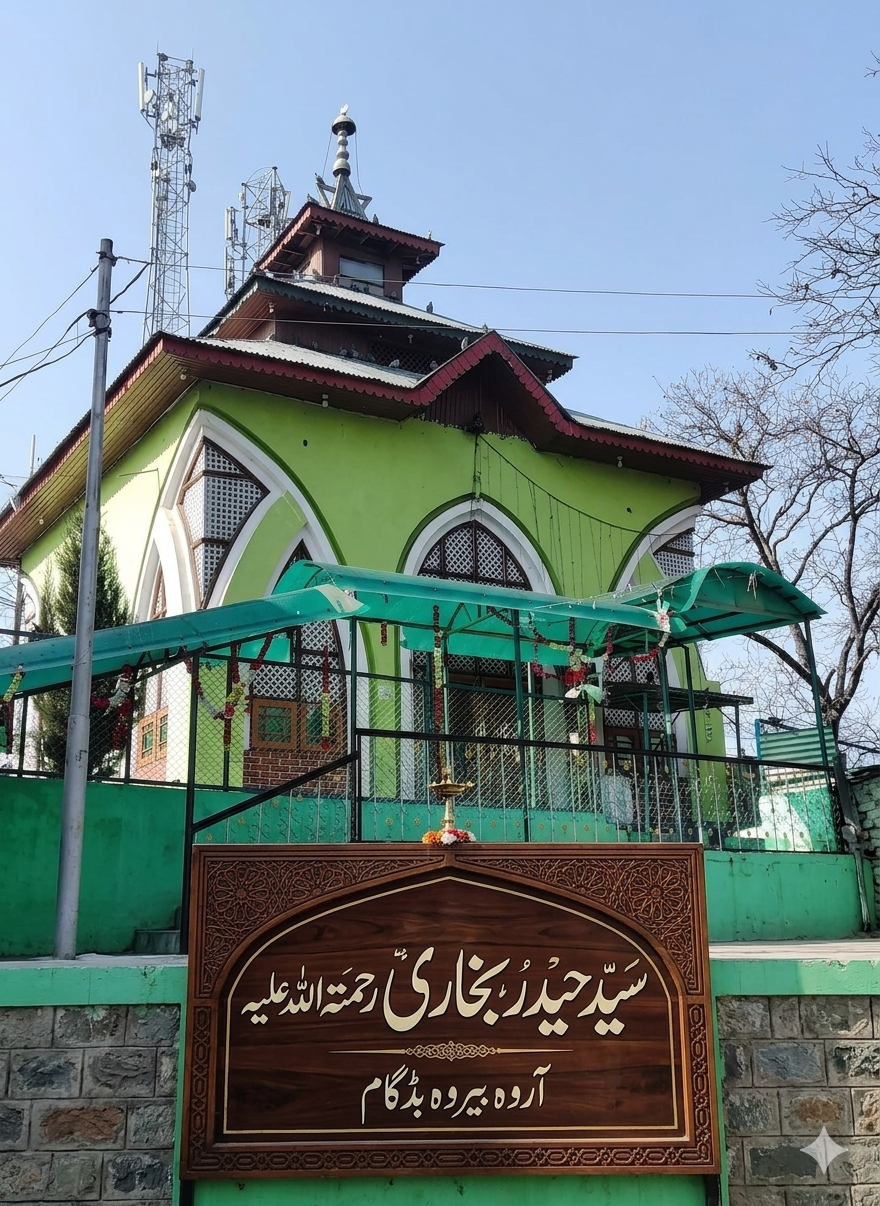
سید حیدر بخاری رحمتہ اللہ علیہ آروہ بیروہ بڈگام
Annual Urs
The Urs (death anniversary) of Hazrat Syed Hyder Bukhari (RA) is observed every year on the 16th of Rajab-ul-Murajab with great devotion and respect in Arwah, Beerwah. Mention of his lineage and life can be found in the writings of the late Syed Khamush Kariri (RA), the late Syed Gohar Kariri (RA), and various other historical manuscripts.
May Allah grant us the strength to follow his teachings. Ameen.
Note: Since Hazrat Syed Hyder Bukhari (RA) of Arwah had no offspring, any claims by individuals today seeking to link their genealogy directly to him are completely factually incorrect. The lineage continues only through his brother, Syed Mir Hyder Bukhari, whose descendants reside in Shukrila Sharif, Pakistan.
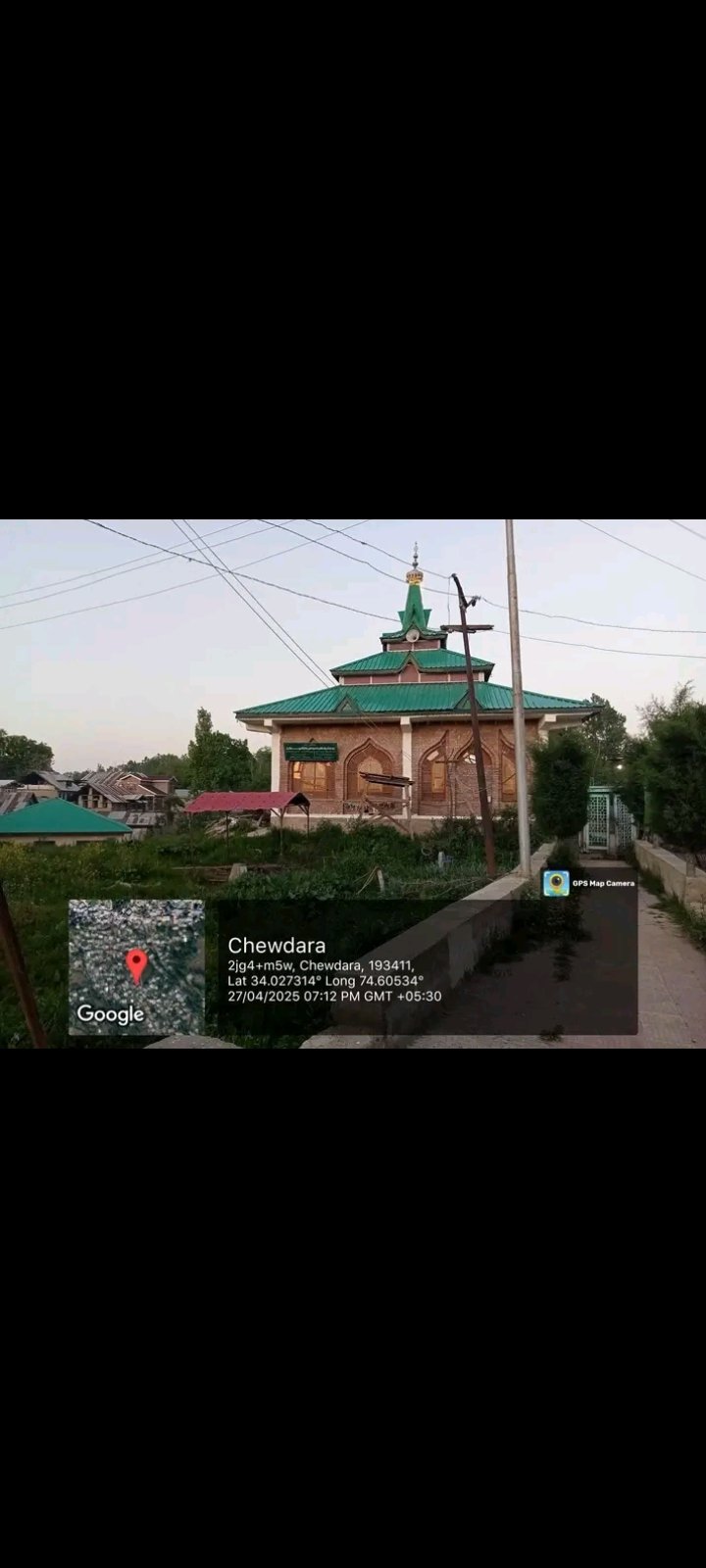
Syed Ali-alu-din khan Bukhari Al Razvi
حضرت سید علی علاؤالدین خان رضوی رحمۃ اللہ علیہ
ایک عظیم روحانی پیشوا، سہروردی بزرگ اور ساداتِ رضویہ کشمیر کے ممتاز فرد
الحمد للہ رب العالمین، والصلاۃ والسلام علی سید المرسلین، وعلی آلہ واصحابہ اجمعین۔
وادیٔ کشمیر صدیوں سے اولیاء اللہ، علماءِ دین اور ساداتِ کرام کی سرزمین رہی ہے۔ انہی جلیل القدر شخصیات میں حضرت سید علی علاؤالدین خان رضوی رحمۃ اللہ علیہ کا نام نہایت عزت و احترام کے ساتھ لیا جاتا ہے۔ آپ کا شمار اُن بزرگ ہستیوں میں ہوتا ہے جنہوں نے اپنے علم، تقویٰ، روحانیت، خدمتِ خلق اور دعوتِ دین کے ذریعے کشمیر کے مختلف علاقوں میں اسلامی تعلیمات کو فروغ دیا اور اہلِ بیتِ اطہار علیہم السلام کی محبت کو عام کیا۔
## نسبِ مبارک
حضرت سید علی علاؤالدین خان رضوی رحمۃ اللہ علیہ ساداتِ رضویہ کے معزز خانوادے سے تعلق رکھتے تھے اور اپنے نسب کے اعتبار سے حضرت امام علی رضا علیہ السلام کی اولاد میں سے تھے۔ آپ کا خاندان علم، زہد اور روحانیت کے اعتبار سے ایک ممتاز مقام رکھتا تھا۔
خاندانی روایات کے مطابق آپ کے جدِ امجد حضرت سید احمد رضوی رحمۃ اللہ علیہ کا تعلق ہمدان (ایران) سے تھا۔ انہوں نے ہمدان سے بخارا کی جانب ہجرت فرمائی جہاں یہ خانوادہ کچھ عرصہ آباد رہا۔ بعد ازاں یہ خاندان بخارا سے برصغیر ہند آیا اور مختلف علاقوں سے گزرتا ہوا وادیٔ کشمیر میں آباد ہوا۔ کشمیر میں اس خاندان نے دینِ اسلام، تعلیم، روحانیت اور خدمتِ خلق کے میدان میں نمایاں خدمات انجام دیں۔
## ابتدائی زندگی اور تربیت
حضرت سید علی علاؤالدین خان رضوی رحمۃ اللہ علیہ نے ایک دینی اور روحانی ماحول میں پرورش پائی۔ بچپن ہی سے آپ میں عبادت، تقویٰ، علمِ دین اور اخلاقِ حسنہ کے آثار نمایاں تھے۔ آپ نے قرآنِ مجید، حدیثِ نبوی، فقہ اور تصوف کی تعلیم حاصل کی اور جلد ہی اپنے زمانے کے اہلِ علم و فضل میں شمار ہونے لگے۔
آپ کی شخصیت میں علم و عمل کا حسین امتزاج پایا جاتا تھا۔ آپ ظاہری علوم کے ساتھ ساتھ باطنی اصلاح اور روحانی تربیت پر بھی خصوصی توجہ دیتے تھے۔
## سلسلۂ بیعت اور روحانی مقام
حضرت سید علی علاؤالدین خان رضوی رحمۃ اللہ علیہ سلسلۂ عالیہ سہروردیہ سے وابستہ تھے۔ آپ نے اسی عظیم روحانی سلسلے میں بیعت کی اور اپنے شیخِ طریقت کی نگرانی میں منازلِ سلوک طے کیں۔
مقامی روایات کے مطابق آپ حضرت بابا نصیب الدین غازی رحمۃ اللہ علیہ کے مریدِ خاص اور فیض یافتہ بزرگوں میں شمار ہوتے تھے۔ بابا نصیب الدین غازی رحمۃ اللہ علیہ سے آپ کا روحانی تعلق نہایت مضبوط تھا اور آپ نے ان کی تعلیمات و ارشادات کو عوام تک پہنچانے میں اہم کردار ادا کیا۔
سلسلۂ سہروردیہ کی خصوصیات یعنی شریعت کی پابندی، ذکرِ الٰہی، محبتِ رسول اکرم ﷺ، ادبِ اہلِ بیت علیہم السلام اور خدمتِ خلق آپ کی پوری زندگی میں نمایاں نظر آتی ہیں۔
## دینی و سماجی خدمات
حضرت سید علی علاؤالدین خان رضوی رحمۃ اللہ علیہ نے اپنی زندگی کا بیشتر حصہ لوگوں کی دینی رہنمائی، اصلاحِ معاشرہ اور تبلیغِ اسلام میں صرف کیا۔ آپ کی مجالس میں قرآن و حدیث کا درس، ذکر و اذکار، اصلاحِ نفس اور اخلاقی تربیت کا سلسلہ جاری رہتا تھا۔
آپ عوام کو نماز، روزہ، زکوٰۃ، حسنِ اخلاق، والدین کے حقوق، صلہ رحمی اور اسلامی بھائی چارے کی تلقین فرمایا کرتے تھے۔ آپ نے ہمیشہ لوگوں کو اختلافات سے بچنے، محبت و اخوت کو فروغ دینے اور شریعتِ مطہرہ کی پابندی کرنے کی نصیحت فرمائی۔
## روحانی فیوض و برکات
اہلِ علاقہ کے نزدیک حضرت سید علی علاؤالدین خان رضوی رحمۃ اللہ علیہ صاحبِ کرامت اور مستجاب الدعوات بزرگ تھے۔ بے شمار افراد نے آپ کی صحبت سے روحانی سکون، اصلاحِ باطن اور دین کی صحیح سمجھ حاصل کی۔
آپ کی خانقاہ اہلِ علم، صوفیاء، سادات اور عوام الناس کے لیے مرکزِ فیض بنی رہی۔ آپ کی شخصیت کا اثر دور دراز علاقوں تک محسوس کیا جاتا تھا اور لوگ دینی و روحانی مسائل میں آپ سے رجوع کرتے تھے۔
## مزارِ اقدس
حضرت سید علی علاؤالدین خان رضوی رحمۃ اللہ علیہ کا مزارِ مبارک چیوڈارہ، بیروہ، ضلع بڈگام میں واقع ہے۔ یہ آستانہ آج بھی اہلِ عقیدت کے لیے مرکزِ فیوض و برکات ہے۔
سالانہ عرس اور دیگر مذہبی مواقع پر زائرین کی بڑی تعداد حاضر ہو کر قرآن خوانی، فاتحہ، درود و سلام اور دعاؤں کا اہتمام کرتی ہے۔ مزارِ مبارک نہ صرف ایک روحانی مرکز ہے بلکہ ساداتِ رضویہ کشمیر کی تاریخی اور روحانی وراثت کی علامت بھی ہے۔
## اولاد اور وراثت
حضرت سید علی علاؤالدین خان رضوی رحمۃ اللہ علیہ کی اولاد نے بھی دینی، سماجی اور روحانی خدمات کے میدان میں نمایاں کردار ادا کیا۔ آپ کی نسل آج چیوڈارہ، للپورہ، بیروہ اور کشمیر کے دیگر علاقوں میں آباد ہے اور اپنے آباء و اجداد کی علمی و روحانی روایات کو زندہ رکھنے کی کوشش کر رہی ہے۔
آپ کے خانوادے سے متعدد علماء، ائمہ، خطباء اور معزز شخصیات پیدا ہوئیں جنہوں نے معاشرے کی رہنمائی اور دین کی خدمت میں نمایاں کردار ادا کیا۔
## خراجِ عقیدت
حضرت سید علی علاؤالدین خان رضوی رحمۃ اللہ علیہ کی حیاتِ مبارکہ ہمیں علم، تقویٰ، اخلاص، خدمتِ خلق اور محبتِ اہلِ بیت علیہم السلام کا درس دیتی ہے۔ آپ کی زندگی اس حقیقت کا روشن نمونہ ہے کہ حقیقی بزرگی نسب کے ساتھ ساتھ عملِ صالح، تقویٰ اور دین کی خدمت میں مضمر ہے۔
اللہ تعالیٰ حضرت سید علی علاؤالدین خان رضوی رحمۃ اللہ علیہ کے درجات بلند فرمائے، ان کے مزارِ انور پر اپنی بے شمار رحمتیں نازل فرمائے اور ہمیں ان کے نقشِ قدم پر چلنے کی توفیق عطا فرمائے۔
آمین بجاہ سید المرسلین ﷺ۔
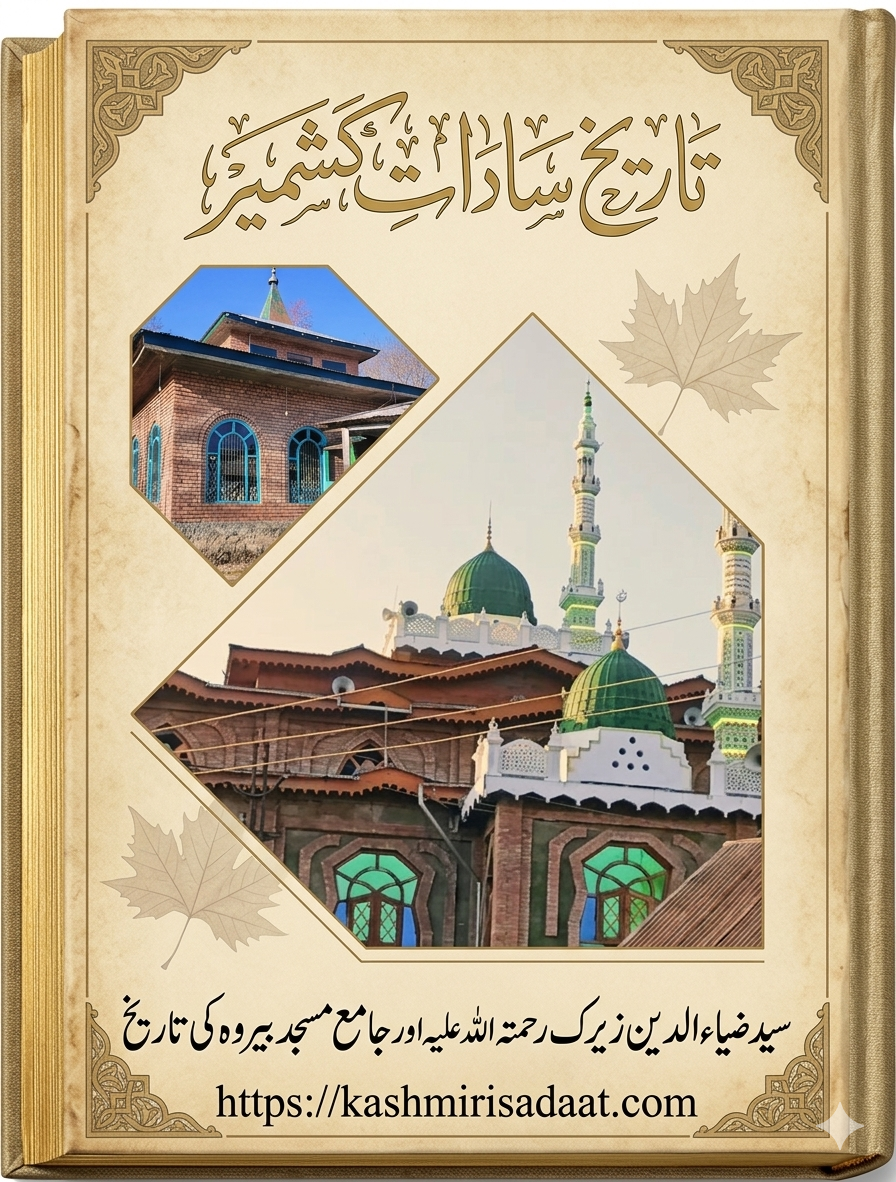
Syed Zaiya-ud-din zeerak Bukhari R.a
سید ضیاء الدین زیرک رحمتہ اللہ علیہ
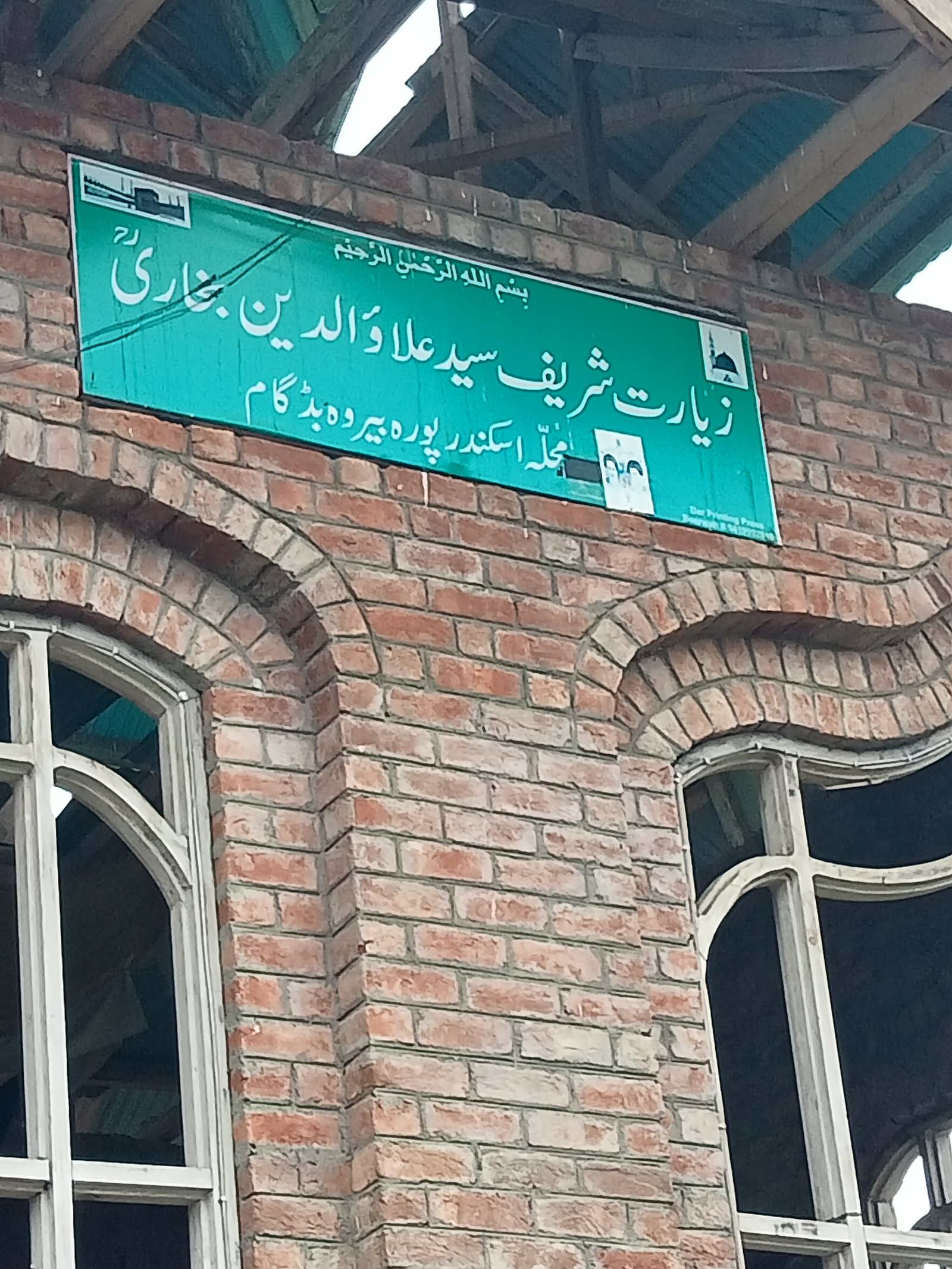
Syed Aluidin Bukhari R.a
✓ ذکر جادہ دینداری میر سید علاؤ الدین بخاری قدس سرہ اسگندر پورہ بیروہ بڈگام :-
جس نے سیادت کے باغ میں جھنڈا گاڑ دیا جس باغ سادات کا میوہ جانفزا اور سایہ دہن ہے پناہ ہے وہ عارف کامل اور سالک روشن نظر سید علاؤ الدین محمد ہیں جو مرشد ہیں
تحریر: سید مشکور احمد بخاری
9149401146
👈 حضرت سید علاؤالدین بخاری رحمتہ اللہ علیہ سید میر محمد ہمدانی رحمۃ اللہ علیہ کے ساتھ اہل وعیال سمیت کشمیر آۓ ۔سید علاؤالدین بخاری رحمتہ اللہ علیہ کمالات وکرامات کے مظہر تھے۔
👈حضرت سید علاؤ الدین بخاری رحمۃ اللہ علیہ حضرت حاجی مراد بخاری رحمۃ اللہ علیہ کے دادا تھے اور حضرت مخدوم جہانیاں جہانگشت بخاری رحمۃ اللہ علیہ کے نبیرہ اور حضرت سید ناصر الدین بخاری رحمۃ اللہ علیہ کے فرزند جلیل تھے اور کامل عالم اور شریعت پسند خدا دوست تھے ۔
سلطان سکندر بت شکن کے زمانے میں سید علاؤالدین بخاری رحمۃ اللہ علیہ نے ورور مسعود فرما کر کشمیر کو نور اسلام سے رونق بخشی ۔ سید علاؤالدین بخاری رحمۃ اللہ علیہ پونچھ ( توسہ میدان گھاگ) سے ہوتے ہوئے علاقہ بیروہ موضع نسو وارد ہوئے اور وہیں سکونت اختیار کی۔ سلطان سکندر نے اس گاؤں کا نام علاؤ الدین پورہ رکھ دیا ۔لیکن آپ نے انکساری کا اظہار کر کے اس کا نام اسکندر پورہ رکھ دیا سلطان سکندر نے سید علاؤ الدین بخاری رحمۃ اللہ علیہ کو شہر خاص تشریف لانے کی دعوت دی، لیکن سید صاحب نے انکار کیا اور اسلام کی تعلیم اسکندپورہ میں جاری رکھی۔سلطان سکندر نے سید علاؤ الدین بخاری رحمۃ اللہ علیہ کو تین گاؤں جگیر میں دے دئیے
1).آروتھ (آروہ بیروہ)
2)کاندہامہ بیروہ
3) اسکندر پورہ بیروہ
حضرت سید علاؤ الدین بخاری رحمۃ اللہ علیہ کے ساتھ کثیر تعداد میں علماء اور اولیاء کاملینؒ ساتھ تھے؛ جن میں صوفی اور سادات بییہقی خاندان و بخاری خاندان بھی شامل تھے۔ حضرت سید علاؤ الدین بخاریؒ اوچ شریف سے خانقاہ سہروردی میں جو استاد اور عالم تھے، ان کو اپنے ہمراہ کشمیر وارد ہوئے، جن کی تعداد کم و بیش 1000 تھی ان ہی بزرگانِ دین نے کشمیر میں سہروردی سلسلے کی تعلیم لوگوں تک پہنچائی۔ حضرت سید علاؤ الدین بخاریؒ اور باقی سادات کرام نے متعارف کروایا ان کی راہنمائی سید علاؤ الدین بخاری رحمۃ اللہ علیہ خود کر رہے تھا اور اہل کشمیر کو اسلام اور اولیاء کرامؓ کی تعلیم دی۔ ان اولیاء کاملینؒ کی قبریں زیادہ تر شہر خاص اور باقی اسی علاقے میں مدفون ہیں اس لیے اس کو ساداواری یا ساد نار کہتے ہیں جو آروہ بیروہ اور اسکندپورہ کے درمیان زمین ہے اسی کو ساد نار کہتے ہیں ۔
حضرت سید علاؤ الدین بخاری رحمۃ اللہ علیہ درس و تدریس اسگندپورہ اور شہر خاص میں تا عمر نبھاتے رہے۔ آخر کار اس اس دنیا سے رخصت ہوئے۔ ان کا مقبرہ اسگندپورہ بیروہ میں ہے ان کی کرامات سے اسگندپورہ بیروہ میں بارہ چشمے جاری ہوئے، جن میں آج کچھ موجود ہیں۔ ان کے مقبرہ کے سامنے بھی ایک چشمہ اس وقت بھی موجود ہے ۔ ان کے آستان عالیہ کی تعمیر کی ذمہ داری کریری سادات کی نگرانی میں ہو رہی ہے، اس میں بیروہ علاقے کے سادات بھی تعاون کر رہے ہیں۔
حضرت سید علاؤ الدین بخاری رحمۃ اللہ علیہ کے چار بیٹے تھے جو صاحب کرامت تھے:-
👈سید فقر الدین بخاری رحمۃ اللہ علیہ ( مدفن اسگندپورہ پورہ بیروہ)
👈سید ضیاء الدین زیرک بخاری رحمۃ اللہ علیہ المعروف زیرک صاحب ( مدفن کاندہامہ بیروہ)
👈سید تاج الدین بخاری رحمۃ اللہ علیہ (مدفن اسگندپورہ پورہ بیروہ)
👈سید محمد بخاری رحمۃ اللہ علیہ (اسگندر پورہ بیروہ)
یہ چاروں عالی شان فرزندان بہت بڑے خدا رسیدہ بزرگ تھے اور انہوں نے کشمیر میں اپنی عبادت اور مجاہدات سے ہر طرف روشنی پھلائی اور دور دور تک تبلیغ اسلام
کیا ۔۔۔۔۔۔۔۔
The Path of Piety: A Mention of Mir Sayyid Alauddin Bukhari (RA)
Location: Isgandarpora, Beerwah, Budgam
He is the one who planted the flag in the garden of Siyadat (the lineage of the Prophet). The fruit of this garden of Sayyids is life-giving, and its shade is a sanctuary. He is the perfect Gnostic (Arif-e-Kamil) and the enlightened traveler of the path—Sayyid Alauddin Muhammad, the spiritual guide.
Arrival in Kashmir
Hazrat Sayyid Alauddin Bukhari (RA) arrived in Kashmir along with his family in the company of Sayyid Mir Muhammad Hamadani (RA). He was a manifestation of spiritual perfections and miracles.
Lineage and Background
Grandfather of: Hazrat Haji Murad Bukhari (RA).
Grandson of: Hazrat Makhdoom Jahaniyan Jahangasht Bukhari (RA).
Son of: Hazrat Sayyid Nasiruddin Bukhari (RA).
He was a profound scholar, a follower of Sharia, and a friend of God. During the reign of Sultan Sikandar, Sayyid Alauddin Bukhari graced Kashmir with his arrival, illuminating the region with the light of Islam.
Settlement in Beerwah
He entered the region via Poonch (Tosamaidan) and arrived at a village called Nasu in the Beerwah area, where he chose to reside. Out of respect, Sultan Sikandar renamed the village Alauddin pora, but due to the Sayyid's humility, he changed the name to Isgandarpora.
Although the Sultan invited him to reside in the main city (Shehr-e-Khaas), the Sayyid declined, preferring to continue his Islamic teachings in Isganderpora. Consequently, the Sultan granted him three villages as a jagir (fief):
Aroth (Arwah, Beerwah)
Kandhama, Beerwah
Isgandarpora, Beerwah
Spreading the Suhrawardiyya Order
Sayyid Alauddin Bukhari was accompanied by a vast number of scholars and saints, including members of the Baihaqi and Bukhari families. He brought nearly 1,000 scholars and teachers from the Suhrawardi Khanqah in Uch Sharif.
Under his leadership, these holy men introduced and spread the teachings of the Suhrawardi Sufi Order across Kashmir. Many of these saints are buried in the city and the surrounding areas. The land between Arow and Isgandarpora is known as Sadee naar (or Sadayare) because of the high concentration of Sayyids buried there.
Legacy and Miracles
He dedicated his life to teaching in both Isganderpora and the main city. Following his passing, he was buried in Isganderpora, Beerwah. Among his miracles are the twelve springs that gushed forth in Isganderpora through his spiritual influence; some of these exist to this day, including one directly in front of his shrine.
Currently, the construction and maintenance of his shrine are being overseen by the Sayyids of Kreeri, with cooperation from the local Sayyids of the Beerwah region.
The Four Illustrious Sons
Sayyid Alauddin Bukhari (RA) had four sons, all of whom were masters of miracles and God-fearing saints:
Sayyid Faqruddin Bukhari (RA): Buried in Isganderpora, Beerwah.
Sayyid Ziauddin Zeerak Bukhari (RA): Known as Zeerak Sahib; buried in Kandhama, Beerwah.
Sayyid Tajuddin Bukhari (RA): Buried in Isganderpora, Beerwah.
Sayyid Muhammad Bukhari (RA): Buried in Isganderpora, Beerwah.
These four noble sons were highly reached spiritual figures who spread the light of Islam through their worship, spiritual struggles (mujahadat), and missionary work throughout Kashmir.
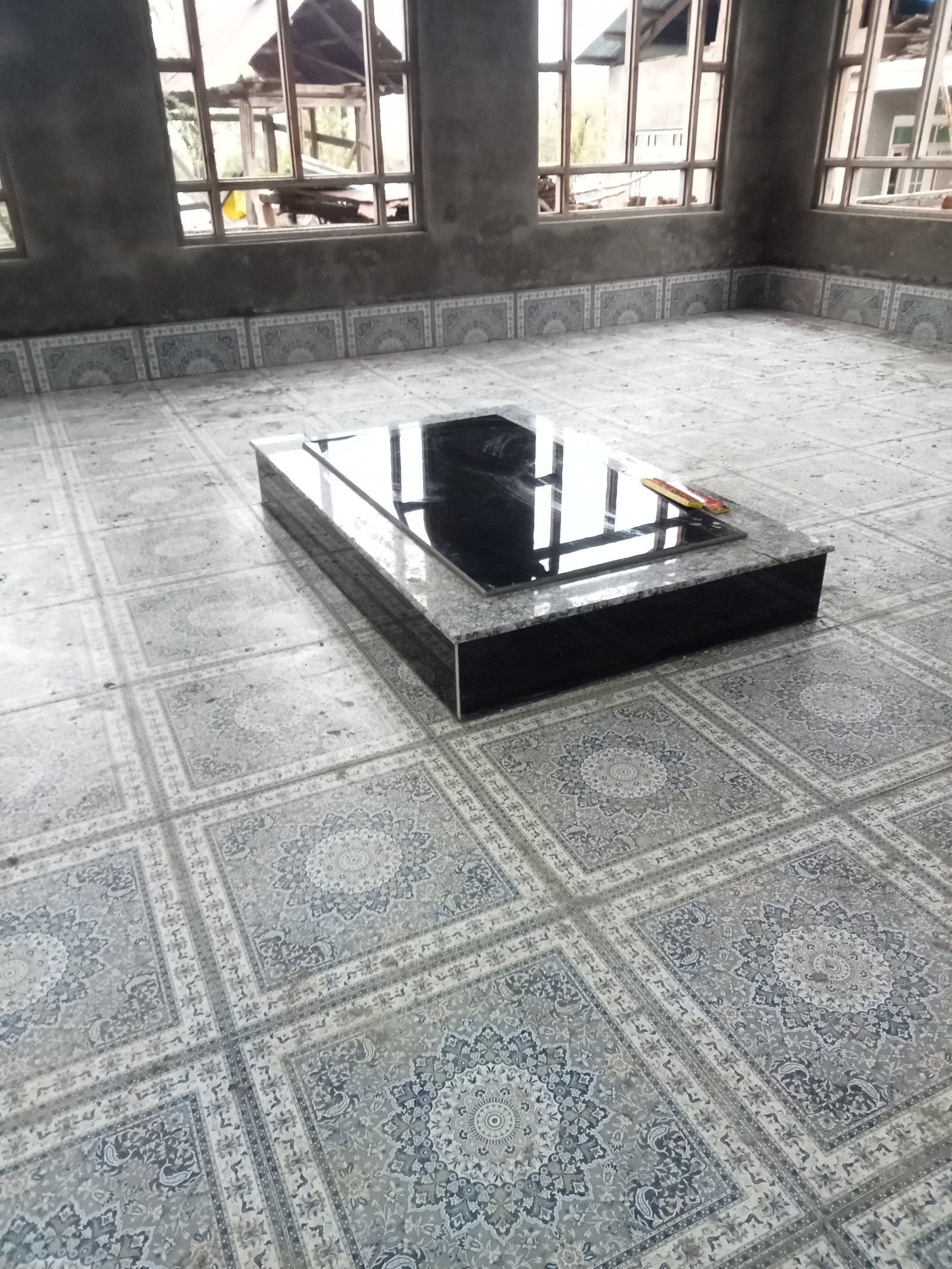
Hazrat Syed Taj-ud-Din Bukhari (RA)
سوانح حیات و نسب
حضرت سید تاج الدین بخاری شہید (رحمتہ اللہ علیہ)
(اسکندر پورہ، بیروہ)
تاریخِ شہادت: ۸ جمادی الاول ۸۶۶ھ
مصنف: سید مشکور احمد بخاری الرضوی
ولادت اور نسب
حضرت سید تاج الدین بخاری (رحمتہ اللہ علیہ) کی ولادت ۷۹۱ھ میں ہوئی۔ آپ اسکندر پورہ، بیروہ کے مشہور ولیِ کامل حضرت سید علاؤ الدین بخاری سہروردی (رحمتہ اللہ علیہ) کے تیسرے فرزند تھے۔ آپ کے تین بھائی تھے:
حضرت سید ضیاء الدین زیرک (رحمتہ اللہ علیہ): بانی جامع مسجد بیروہ، بڈگام۔
حضرت سید محمد بخاری (رحمتہ اللہ علیہ)۔
حضرت سید فخر الدین (رحمتہ اللہ علیہ)۔
آپ مشہور اولیاء کرام حضرت سید حاجی مراد بخاری کریری (رحمتہ اللہ علیہ) اور حضرت سید شاہ کبیر (رحمتہ اللہ علیہ) کے سگے چچا تھے۔ آپ کا نسبی سلسلہ عظیم المرتبت بزرگ حضرت سید جلال الدین سرخ پوش بخاری (رحمتہ اللہ علیہ) سے جا ملتا ہے۔
کردار اور تقویٰ
حضرت سید تاج الدین بخاری (رحمتہ اللہ علیہ) بلند پایہ ولی اور نہایت متقی انسان تھے۔ رزقِ حلال کے معاملے میں آپ کی احتیاط کا یہ عالم تھا کہ ایک بار پڑوسی زمیندار کے کھیت کا پانی غلطی سے آپ کی زمین میں آ گیا۔ آپ نے اس تقویٰ کی بنیاد پر اس سال کی تمام فصل خود استعمال کرنے کے بجائے ضرورت مندوں میں تقسیم کر دی کہ کہیں اس میں شبہ نہ ہو۔
آپ عوامی حلقوں میں "شیرِ اولیاء" کے لقب سے مشہور تھے، جبکہ آپ کا سرکاری لقب "سکندر" تھا۔ اتنے بلند روحانی مرتبے کے باوجود آپ اپنے اہل و عیال کی کفالت کے لیے کھیتی باڑی اور محنت مزدوری کیا کرتے تھے۔ آپ کی ہیبت اور جلال کا یہ عالم تھا کہ وقت کے سلطان آپ کی چوکھٹ پر حاضری دیتے تھے اور اعلیٰ حکام آپ کی خدمت میں کمر بستہ رہتے تھے۔
جامِ شہادت
آپ کی زندگی کے آخری ایام میں ایک رات جب آپ کسی ضرورت کے تحت باہر تشریف لے گئے، ایک ندی کے کنارے وضو کیا اور نمازِ تہجد ادا کی۔ واپسی پر آپ کا سامنا چوروں کے ایک گروہ سے ہوا جو چوری کا مال تقسیم کر رہے تھے۔
چوروں نے اپنی پردہ پوشی کے لیے آپ کو مال میں سے حصہ دینے کی پیشکش کی، جس پر آپ نے فرمایا:
"مجھے اس مال کی کوئی ضرورت نہیں۔ تم اسے آپس میں بانٹ لو، میں کوئی مخبر نہیں ہوں جو تمہارا راز فاش کروں گا۔"
لیکن چوروں کو یقین نہ آیا اور پکڑے جانے کے خوف سے ان میں سے ایک بدبخت نے تلوار سے حملہ کر کے آپ کا سر مبارک جسم سے جدا کر دیا۔ اس طرح آپ نے شہادت کا عظیم مرتبہ پایا۔ اس سانحے کی خبر جنگل کی آگ کی طرح پھیل گئی جس سے پورے علاقے اور سادات خاندان میں کہرام مچ گیا۔ یہ دور ملک میں خانہ جنگی کا تھا، اور اسی دوران حضرت سید حسن بیہقی (رحمتہ اللہ علیہ) نے بھی آپ کے ہمراہ جامِ شہادت نوش کیا۔
آپ کی تدفین ۸ جمادی الاول ۸۶۶ھ کو آستان پورہ، اسکندر پورہ (بیروہ) میں عمل میں آئی۔
وراثت اور یادگار
تاریخی روایات کے مطابق حضرت سید تاج الدین بخاری (رحمتہ اللہ علیہ) کی چار بیٹیاں تھیں اور کوئی بیٹا نہیں تھا۔ آستان پورہ، بیروہ میں واقع آپ کا مزارِ اقدس آج بھی عقیدت مندوں کی جائے پناہ ہے اور اس وقت مزار کی تعمیرِ نو کا کام جاری ہے۔
عوامی روایات (ایک مختلف بیانیہ)
مقامی لوک روایات کے مطابق، جب حضرت سید تاج الدین (رحمتہ اللہ علیہ) "کھاگ" تشریف لائے تو "مالا کول" (نہر) سکھ ناگ سے اسکندر پورہ تک خاموشی سے آپ کے پیچھے پیچھے چلی آئی۔ کہا جاتا ہے کہ آپ نے پہلے سکھ ناگ میں قیام کیا اور پھر مختلف دیہاتوں سے ہوتے ہوئے اسکندر پورہ پہنچے، جہاں آپ نے بقیہ زندگی گزاری۔
(نوٹ: اس مخصوص مقامی روایت میں یہ بھی ذکر ملتا ہے کہ آپ کا روحانی سلسلہ آپ کے صاحبزادے سید علاؤ الدین نے آگے بڑھایا، اور ان دونوں بزرگوں کے مزارات اسکندر پورہ میں مرجعِ خلائق ہیں۔)
Lineage and Biography
Hazrat Syed Taj-ud-Din Bukhari Shaheed (RA)
(Iskandarpura, Beerwah)
Date of Martyrdom: 8 Jumada al-Awwal 866 AH
Author: Syed Mashkoor Ahmad Bukhari Al-Razvi
Birth and Lineage:-
Hazrat Syed Taj-ud-Din Bukhari (RA) was born in 791 AH. He was the third son of the renowned saint of Iskandarpura, Beerwah, Hazrat Syed Ala-ud-Din Bukhari Suhrawardi (RA). He had three brothers:
Hazrat Syed Zia-ud-Din Zeerak (RA): The founder of the Jamia Masjid in Beerwah, Budgam.
Hazrat Syed Muhammad Bukhari (RA).
Hazrat Syed Fakhr-ud-Din (RA).
Hazrat Syed Taj-ud-Din (RA) was the paternal uncle of the celebrated saints Hazrat Syed Haji Murad Bukhari Kariri (RA) and Hazrat Syed Shah Kabir (RA). His lineage traces back to the illustrious saint, Hazrat Syed Jalal-ud-Din Surkh-Posh Bukhari (RA).
Character and Piety
Hazrat Syed Taj-ud-Din Bukhari (RA) was a saint of high stature and immense piety. His dedication to Rizq-e-Halal (lawful earnings) is illustrated by an incident where water from a neighboring landlord's field accidentally flowed into his land. Out of caution, he refused to consume the harvest from that field for the entire year, distributing the entire yield among the needy instead.
Commonly known by the title "Sher-e-Awliya" (The Lion of Saints), his formal title was "Sikandar." Despite his high spiritual station, he practiced agriculture and manual labor to support his family. His majesty was such that the Sultan of the time would visit his threshold, and high-ranking officials remained at his service.
Martyrdom
During the final days of his life, he went out one night for a necessity. After performing ablution by a stream and offering the Tahajjud (night) prayer, he encountered a group of thieves dividing stolen goods while returning home.
To ensure his silence, the thieves offered him a share of the loot. He replied:
"I have no need for this wealth. You may distribute it among yourselves; I am not an informant who will reveal your secret."
Unconvinced and fearing discovery, one of the criminals struck him with a sword, severing his head from his body. Thus, he attained the high station of martyrdom. The news of this tragedy spread like wildfire, causing immense grief throughout the region and the Sadat family. This occurred during a period of civil unrest in the country, during which Hazrat Syed Hassan Behaqi (RA) also embraced martyrdom alongside him.
He was laid to rest on 8 Jumada al-Awwal 866 AH in Astanpora, Iskandarpura (Beerwah).
Legacy and Inheritance
Hazrat Syed Taj-ud-Din Bukhari (RA) had four daughters and no sons. His shrine in Astanpora, Beerwah, remains a sanctuary for devotees and is currently undergoing reconstruction.
Folk Tradition (Conflicting Narrative)
According to a local oral tradition, when Syed Taj-ud-Din (RA) visited "Khag," the "Mala Kol" (canal) followed him silently from Sukhnag to Iskandarpura. It is said he first resided in Sukhnag before traveling through various villages to reach Iskandarpura, where he spent the remainder of his life.
(Note: In this specific local version, it is mentioned that his spiritual succession was carried on by a son named Syed Ala-ud-Din, and both their shrines are located in Iskandarpura, serving as centers of devotion.)
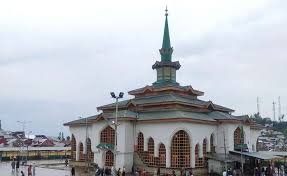
Hazrat Sheikh Noor-ud-Din Noorani RA
Detailed Biography & Shrine Information
Charar-e-Sharief Shrine is one of the most sacred and historically important shrines in Kashmir. It is dedicated to Hazrat Sheikh Noor-ud-Din Noorani (RA), also known as Nund Rishi, the most revered Sufi saint of Kashmir and founder of the Rishi order.
He was born in 1377 CE in Qaimoh (Kulgam district). From a young age, he showed deep spiritual insight and chose a life of simplicity, meditation, and devotion. He later settled in Charar-e-Sharief (Budgam district), where he spent most of his life guiding people.
Hazrat Nund Rishi (RA) emphasized:
Unity of God (Tawheed)
Simplicity and self-discipline
Love, peace, and harmony among people
Living a pure and honest life
He is widely respected by people of all communities in Kashmir and is considered a symbol of unity and spirituality.
🕊️ Wisaal (Death)
Hazrat Sheikh Noor-ud-Din Noorani (RA) passed away in 1440 CE, and his shrine was established at Charar-e-Sharief, which became a major center of spiritual devotion.
🔥 Historical Significance
The shrine has great historical importance. It was damaged during the 1995 Charar-e-Sharief shrine fire, but was later rebuilt and restored. Today, it stands as a symbol of faith, resilience, and unity.
🕌 Present Day Importance
Thousands of devotees visit the shrine every year, especially during the annual Urs (death anniversary) of the saint. The shrine remains a peaceful place where people come for prayers, blessings, and spiritual Connections,
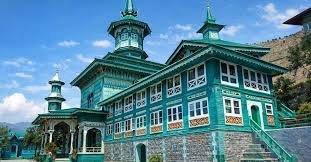
Hazrat Sultan-ul-Arifeen
Detailed Biography
Hazrat Sheikh Hamza Makhdoom (RA), widely known as Makhdoom Sahib, was one of the most revered Sufi saints of Kashmir. He was born in 1494 CE in the village of Tujjar (Sopore), Baramulla district, in present-day Jammu & Kashmir.
From an early age, he showed a deep inclination towards spirituality, knowledge, and devotion. He received his initial education in Islamic sciences such as the Qur’an, Hadith, and Fiqh. Later, he traveled to different regions to gain deeper spiritual knowledge and came under the guidance of prominent Sufi masters.
He became a leading figure of the Suhrawardi Sufi order in Kashmir and played a major role in spreading Islamic teachings, spiritual discipline, and moral values among the people. His teachings emphasized:
Strong faith in Allah
Simplicity and humility
Service to humanity
Inner purification (Tasawwuf)
Hazrat Makhdoom Sahib (RA) was not only a spiritual guide but also a social reformer. He worked to eliminate social evils and guided people toward a righteous and balanced life. His influence extended across all sections of society, and he gained immense respect for his wisdom and piety.
He spent much of his life in Srinagar, especially in the area of Hari Parbat, where he preached and guided his followers. His gatherings attracted scholars, seekers, and common people alike.
🕊️ Death (Wisaal)
Hazrat Sheikh Hamza Makhdoom (RA) passed away in 1576 CE. His shrine was later built at Hari Parbat, Srinagar, which has since become one of the most important spiritual centers in Kashmir.
🕌 Legacy
Today, the Makhdoom Sahib Shrine stands as a symbol of spirituality, peace, and devotion. Thousands of devotees visit the shrine daily to offer prayers and seek blessings. His teachings continue to inspire generations in Kashmir and beyond.
تفصیلی سوانح حیات
حضرت شیخ حمزہ مخدوم رحمۃ اللہ علیہ، جنہیں عام طور پر مخدوم صاحب کے نام سے جانا جاتا ہے، کشمیر کے عظیم اور نہایت معزز صوفی بزرگوں میں سے ایک تھے۔ آپ کی ولادت 1494ء میں موجودہ جموں و کشمیر کے ضلع بارہمولہ کے علاقے تُجّار (سوپور) میں ہوئی۔
ابتدائی عمر ہی سے آپ میں روحانیت، علم اور عبادت کا گہرا شوق پایا جاتا تھا۔ آپ نے اپنی ابتدائی تعلیم قرآن، حدیث اور فقہ جیسے اسلامی علوم میں حاصل کی۔ بعد ازاں آپ نے مزید روحانی علم کے حصول کے لیے مختلف علاقوں کا سفر کیا اور بڑے صوفی مشائخ کی صحبت اختیار کی۔
آپ کشمیر میں سلسلہ سہروردیہ کے ایک نمایاں بزرگ بنے اور اسلامی تعلیمات، روحانی تربیت اور اخلاقی اقدار کے فروغ میں اہم کردار ادا کیا۔ آپ کی تعلیمات کا خلاصہ یہ ہے:
اللہ تعالیٰ پر مضبوط ایمان
سادگی اور عاجزی
انسانیت کی خدمت
باطنی صفائی (تصوف)
حضرت مخدوم صاحب رحمۃ اللہ علیہ نہ صرف ایک روحانی رہنما تھے بلکہ ایک سماجی مصلح بھی تھے۔ آپ نے معاشرتی برائیوں کے خاتمے کے لیے کام کیا اور لوگوں کو ایک نیک اور متوازن زندگی گزارنے کی تلقین کی۔ آپ کی شخصیت کا اثر معاشرے کے ہر طبقے پر تھا اور آپ کو اپنی دانائی اور تقویٰ کی وجہ سے بے حد عزت حاصل تھی۔
آپ نے اپنی زندگی کا بڑا حصہ سری نگر میں گزارا، خصوصاً ہری پربت کے علاقے میں، جہاں آپ نے تبلیغ کی اور اپنے مریدین کی رہنمائی فرمائی۔ آپ کی محافل میں علماء، طلباء اور عام لوگ بڑی تعداد میں شریک ہوتے تھے۔
🕊️ وصال
حضرت شیخ حمزہ مخدوم رحمۃ اللہ علیہ کا وصال 1576ء میں ہوا۔ بعد ازاں آپ کا مزار سری نگر کے ہری پربت پر تعمیر کیا گیا، جو آج کشمیر کے اہم ترین روحانی مراکز میں شمار ہوتا ہے۔
🕌 روحانی ورثہ
آج مخدوم صاحب کا مزار روحانیت، سکون اور عقیدت کی علامت ہے۔ روزانہ ہزاروں زائرین یہاں حاضری دیتے ہیں، دعا کرتے ہیں اور برکت حاصل کرتے ہیں۔ آپ کی تعلیمات آج بھی کشمیر اور اس سے باہر لوگوں کے لیے مشعلِ راہ ہیں۔
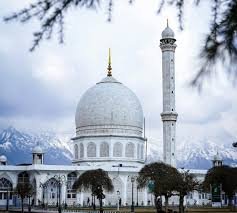
Dargah Hazrat BAL
The Hazratbal Shrine, located on the serene banks of the Dal Lake in Srinagar, is the most revered Muslim shrine in Kashmir. Its spiritual, historical, and cultural importance stretches back centuries and continues to shape the identity of the region.
🌙 Origin of the Sacred Relic (Moi-e-Muqqadas)
At the heart of Hazratbal’s importance is a sacred relic believed to be a strand of hair of Prophet Muhammad (ﷺ), known as Moi-e-Muqqadas.
The relic originally came from Medina (Saudi Arabia).
It was brought to India in the 17th century by Syed Abdullah Madani.
Later, it came into possession of Khwaja Nur-ud-Din Eshai in Kashmir.
This relic transformed the place into a major spiritual center.
⚔️ Mughal Era & Relic Journey
During the reign of Aurangzeb, the relic’s journey took a dramatic turn:
It was temporarily seized and taken to Ajmer.
After protests and verification of authenticity, it was returned to Kashmir.
The relic was finally housed safely at Hazratbal, where it remains today.
This incident strengthened the emotional and religious bond of Kashmiris with the shrine.
🏛️ Evolution of the Shrine
Originally, the site was not a shrine:
It was a Mughal-era garden structure called Ishrat Mahal, built by Shah Jahan.
Later, it was converted into a prayer and relic-holding place.
The present structure:
Built in white marble
Features a large dome and a tall minaret
Completed in the 20th century (1979)
Hazratbal is unique in Kashmir for having a dome, unlike traditional wooden mosque architecture.
🕌 Religious Importance
Hazratbal holds unmatched spiritual value:
The relic is displayed to the public on special Islamic occasions:
Eid Milad-un-Nabi
Shab-e-Meraj
Other sacred days
Thousands gather for didar (viewing of the relic)
For Kashmiris, visiting Hazratbal is not just worship — it’s a deeply emotional experience tied to faith and identity.
⚠️ 1963 Relic Incident
One of the most sensitive moments in Kashmir’s history:
In 1963, the holy relic was reported missing.
This caused massive protests and unrest across Kashmir.
After intense search efforts, the relic was recovered and authenticated.
This incident highlighted the shrine’s deep significance and the unity of people around it.
🌄 Cultural & Social Role
Hazratbal is more than a shrine:
A center of community gatherings and prayers
A symbol of peace and spirituality
A place where people from different backgrounds visit with respect
Located beside the Dal Lake, it also adds to the scenic and cultural beauty of Srinagar.
🕊️ Spiritual Atmosphere
The calm surroundings, reflection of the white dome in Dal Lake, and the echo of prayers create a deeply peaceful environment.
Visitors often describe:
A sense of calm and reflection
Strong spiritual connection
A feeling of unity and humility